



Real Sociedad 2-1 Barcelona: Raphinha’s Absence, La Liga Chaos & What’s Next










- Real Sociedad 2-1 Barcelona: Match Overview
- La Liga’s Chaotic Title Race Explained
- How Real Sociedad Beat Barcelona Tactically
- Barcelona Player Highlights: Garcia, Pedri, Yamal
- Why Raphinha’s Absence Changed Everything
- Marcus Rashford at Barcelona: Promise or Problem?
- Barça’s Bench, Creativity Issues & Squad Depth
- From Camp Nou to Console: FC 26, Coins & ItemD2R.com
- What This Result Means for Barcelona & Real Madrid
- Final Thoughts
Real Sociedad 2-1 Barcelona: Match Overview
The latest La Liga twist saw Real Sociedad shock Barcelona with a dramatic 2-1 home victory, a result that tightens the title race and raises serious questions about Barça’s dependency on key players. In a game full of momentum swings, defensive stress and late drama, Real Sociedad showed efficiency and courage, while Barcelona were once again reminded that small margins decide championships.
Real Sociedad opened the scoring, Barcelona fought back to make it 1-1, and almost immediately the Basque side struck again for 2-1. The hosts pushed for a possible third goal and had the chances to get it, while Barcelona saw a huge Robert Lewandowski opportunity denied by outstanding goalkeeping. A late red card to Sociedad set up a tense finale with lengthy stoppage time, but the home side held firm and protected their lead.
Beneath the scoreline lies a deeper story: the chaotic nature of this La Liga season, the psychological state of Real Madrid, and the way Barcelona’s attack stops flowing when Raphinha is missing. This match was more than just three points; it was a snapshot of a wildly unpredictable title race.
La Liga’s Chaotic Title Race Explained
This season in La Liga has been described as unpredictable and emotional rather than calm and controlled. Real Madrid, usually the picture of institutional stability, are surrounded by noise: fans booing stars like Vinícius Jr., critics questioning the board, and an ongoing debate around leadership and the coaching situation. Yet somehow, even in this negative atmosphere, Madrid remain only a single point behind Barcelona.
The strange paradox is that Barcelona, outwardly leading the table and in a more positive sporting environment, have dropped points in more damaging fashion. While Real Madrid tend to slip up through draws, Barcelona’s mistakes are more often outright defeats. That creates the impression that Madrid are constantly one big result away from flipping the race, even when they are not playing at their best.
At the same time, Atlético Madrid lurk in the background. In a league where no side looks truly dominant from August to May, a consistent late run could easily see Diego Simeone’s team jump into the conversation. The lesson is simple: no single match will decide the title, but nights like Real Sociedad 2-1 Barcelona shape the pressure, the headlines and the confidence levels of everyone involved.
How Real Sociedad Beat Barcelona Tactically
Real Sociedad’s win was not a fluke. It came from intelligent pressing, disciplined shape and a clear plan to exploit Barcelona’s structural weaknesses without Raphinha.
Fast, Fearless Start from Real Sociedad
From the opening minutes, Real Sociedad tried to disrupt Barcelona’s first phase of buildup. They pressed high in coordinated waves, forcing the goalkeeper and centre-backs to play quicker than they wanted. When Barcelona attempted to progress through the middle, Sociedad squeezed Pedri and the pivot, forcing passes out wide where support was slower than usual.
The opening goal reflected this bravery. Sociedad committed numbers forward when they had the chance, attacking with speed and variety. Their wide players stretched Barcelona’s back line, creating gaps for late runs and dangerous cutbacks. Barça never looked fully comfortable defending transitions.
Barcelona’s Equaliser and the Instant Response
Barcelona did fight back into the match. After periods of frustration, they found a way to level the score at 1-1, which should have been a psychological boost. Instead, it became the trigger for Real Sociedad’s best moment.
Almost immediately after the equaliser, Sociedad punished Barcelona’s lack of concentration. The second goal was a mixture of sharp movement, quick combinations and slow Barça reactions. The hosts sensed that Barcelona were mentally celebrating the comeback and struck before the visitors could reset. This is the type of moment that defines experienced title-winning teams versus those still learning to manage emotions.
Sociedad Could Have Scored More, Barcelona Too
At 2-1, Real Sociedad did not simply sit in a deep block. They continued to attack when the opportunity presented itself. On another night, they could easily have scored a third; several promising counterattacks and half-chances went begging. Barcelona’s defensive line looked stretched, and the midfield struggled to provide enough cover when the ball was lost.
Barça still created a few big moments of their own. The standout was a one-on-one for Robert Lewandowski, brilliantly saved by the Sociedad goalkeeper. That intervention preserved the 2-1 scoreline and added to the sense that the hosts were destined to take a huge scalp. Small details, especially in front of goal, decided the outcome.
Red Card Drama and a Long Stoppage Time
A late red card for Real Sociedad introduced a new storyline: could Barcelona break them down in a frantic, long stoppage time period? The answer was no. The home side dropped into a compact shape, defended the box with determination, and cleared wave after wave of crosses and half-chances.
Rather than chaos, Sociedad showed calm and organisation when it mattered most. Barcelona pushed numbers forward, but lacked the right mix of creativity and composure to unlock ten men. The final whistle felt like a reward for Sociedad’s bravery and discipline across the 90+ minutes.
Barcelona Player Highlights: Garcia, Pedri, Yamal
Despite the defeat, a few Barcelona performances stood out—some positively, some as warning signs for the future.
Juan Garcia: A Goalkeeper Stealing the Spotlight
One of the most intriguing subplots of Barcelona’s season has been the emergence of Juan Garcia in goal. In this match, he once again delivered a performance that demands serious recognition. His shot-stopping, command of the box and calm distribution have been so impressive that some observers admit they almost “forgot” about Marc-André ter Stegen at times.
Ter Stegen has long been considered one of the top goalkeepers in Europe, yet speculation about his future continues—rumours of rejected Premier League offers, questions over whether he is comfortable on the bench, and debates about how Barcelona should manage the position. For now, Garcia’s form is a genuine bright spot in an otherwise frustrating night, and he deserves to be mentioned among the elite keepers in world football this season.
Pedri: Still the Brain of Barcelona
Once again, Pedri was one of the few constants for Barcelona. Even in a game where the collective tempo was off, he offered intelligence on the ball, clever positioning between lines and a willingness to take responsibility in tight spaces. His capacity to receive under pressure and play progressive passes remains central to everything Barça try to do.
However, Pedri cannot do it alone. The more the game became stretched and chaotic, the harder it was for him to dictate rhythm. Without complementary playmakers around him and without Raphinha’s constant threat on the flank, Pedri spent more time trying to clean up transitions than orchestrating attacks in the final third.
Lamine Yamal: Talent Is Clear, but the Burden Is Heavy
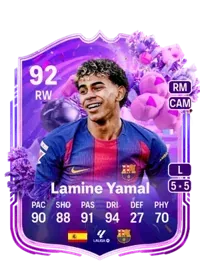
Lamine Yamal is one of the most exciting young talents in European football, but this match highlighted how difficult it is for a teenager to carry an entire flank when the tactical context is not ideal. Sociedad defended his side aggressively, often doubling up on him and forcing him away from the areas where he can be most dangerous.
When Raphinha is absent, opponents can shift their defensive focus toward Yamal, making his life significantly harder. In this game he struggled to consistently beat his man or create clean chances, and at times he seemed tempted to force things with ambitious long-range shots. It’s a natural reaction for a young star who wants to change the match, but it’s also a reminder that Barça must protect him with structure and support, not just expect magic every week.
Why Raphinha’s Absence Changed Everything
If there was one dominant narrative from Barcelona’s side of this defeat, it was the impact of Raphinha not being on the pitch. The team looked less unpredictable in attack, easier to contain in wide areas, and far less threatening when it came to stretching the opposition horizontally.
Tactical Gravity: What Raphinha Brings
Raphinha is more than just a winger who can dribble and shoot. He offers what coaches often call “gravity”—the ability to pull defenders toward him and distort the opposition’s defensive shape. With his relentless runs in behind, direct 1v1 threat and willingness to attack the box, he forces full-backs and defensive midfielders to constantly adjust.
When he is missing, it becomes easier for opponents to shift their block toward the opposite flank, where Yamal operates. That extra attention on the young winger reduces the space Pedri and others have to exploit, and Barcelona’s attack can start to feel static and predictable. Raphinha essentially functions as a destabiliser, breaking compact shapes and creating secondary openings even when he is not the one taking the shot.
One of the Most Important Players in Europe Right Now
Based on performances and importance to his team’s structure, it’s reasonable to argue that Raphinha is among the top five most influential attacking players in European football at the moment. For Barcelona, he is not just another forward; he is a system piece. When he is absent, the entire game plan feels heavier and less fluid.
It’s no surprise that some analysts now class him as the best left winger currently and insist he should be a guaranteed starter for Brazil. More importantly for Barça, he is one of the two players—along with Pedri—that the team simply cannot afford to lose for any extended period if they want to maintain title-winning rhythm.
Marcus Rashford at Barcelona: Promise or Problem?
Another big talking point was the use of Marcus Rashford. Coming off the bench, he had some positive moments, showing his familiar pace and directness. However, this match was expected by many to be his statement performance in a Barcelona shirt, and it did not quite turn out that way.
Why Didn’t Rashford Start?
The decision not to start Rashford raises a few questions. Is he managing a minor knock? Is he still working his way into full rhythm and understanding with teammates? Or is the coaching staff simply unconvinced that he fits the starting XI in high-pressure league games?
Substitute appearances can be misleading: a player can look sharp in flashes but still not be fully integrated into the tactical system. That seemed to be the case here. Rashford’s qualities are clear, yet Barcelona’s attack did not revolve around him in a way that would allow him to consistently exploit space in behind.
Was Rashford the Right Signing?
There is a growing feeling that, in an ideal world without financial constraints, Barcelona might have targeted a different profile instead of Rashford. A more natural creative playmaker, or a wide forward who can double as an interior creator, might have made more sense alongside Raphinha, Pedri and the existing forwards.
Given the club’s economic situation, however, Barça sometimes have to accept opportunities that are good rather than perfect. Rashford still has the talent to become a valuable piece of the squad, but he needs continuity, clarity in his role and perhaps a tactical tweak that better leverages his vertical threat. For now, the verdict is still out, and this match did not move the conversation clearly in either direction.
Barça’s Bench, Creativity Issues & Squad Depth
This game also highlighted the limitations of Barcelona’s current squad, especially when it comes to bench impact and creative variety.
A Strong XI, but a Thin Second Wave
On paper, Barcelona’s starting eleven is strong enough to compete for major trophies. When everyone is fit, they have experience, youth, technical ability and a clear identity. The problem appears when the match demands a different rhythm or when key starters are missing.
Off the bench, too many of Barcelona’s options are primarily finishers rather than creators. They offer goals and runs, but not necessarily the vision to unlock compact defences or the passing range to change the dynamic of a game. As a result, when Barça are chasing a scoreline, the substitutions often add energy rather than new ideas.
The Missing Decisive Playmaker
The squad feels one player short: a decisive attacking playmaker who can come on and transform the last 25–30 minutes. Someone who can receive between lines, combine quickly with Pedri, and deliver that final ball against deep-block defences.
Without that profile, Barcelona sometimes end up over-relying on crosses, long shots or individual dribbles from wide areas. Against Real Sociedad’s organised shape—especially after they went down to ten men—Barça lacked the precision and surprise needed in the final third. This is a recruitment and squad-planning issue as much as a tactical one.
From Camp Nou to Console: FC 26, Coins & ItemD2R.com
For many fans, nights like Real Sociedad vs Barcelona don’t end with the final whistle—they continue on the virtual pitch. Whether you are frustrated by Barça’s lack of creativity or inspired by Real Sociedad’s intensity, you can instantly jump into FC 26 and rewrite the story your way.
In FC 26’s Ultimate Team-style modes, building a squad that avoids Barcelona’s real-life problems is all about smart resource management. You need enough creators and finishers, the right balance of pace and technique, and enough depth to change matches from the bench. That’s where in-game currency becomes crucial. A well-managed budget lets you pick up elite wingers, commanding goalkeepers and super-subs who can change a match in the last ten minutes—just like Real Sociedad’s defenders did by holding out under intense pressure.
If you want to accelerate your club’s growth, many players look for safe, reliable ways to get fc 26 coins ps5 at competitive prices. With enough coins, you can invest in your own version of Raphinha or Pedri—dynamic attackers and creative midfielders who make your team unpredictable and difficult to defend. Having the right pieces in your squad not only improves your results, it also makes every session feel more like a tactical sandbox where you can experiment with different styles.
For players who want a faster route to a fully competitive squad, it’s also common to fc 26 coins buy options from trusted marketplaces such as ItemD2R.com. The key is choosing a platform known for secure transactions, quick delivery and strong customer support, so you can focus on fine-tuning formations, chemistry and individual roles rather than worrying about logistics. In the end, whether Barcelona drop points or Real Madrid surge back into contention, you’re in control of your own title race on FC 26.
What This Result Means for Barcelona & Real Madrid
So where does this leave the main contenders? For Barcelona, the message is mixed. On the one hand, they are still narrowly ahead in the table and have shown, across the season, that their first-choice XI can compete with anyone. On the other hand, defeats like this reinforce the perception that they are vulnerable without key players and that their margin for error is small.
For Real Madrid, watching Barcelona drop points is exactly the encouragement they needed. Even in a period of internal turbulence—booing in the stands, pressure on the board, debates around the coach—they remain alive in the race. If they can stabilise their environment and convert some draws into wins, they could quickly turn the psychological tide.
At the same time, Atlético Madrid and other outsiders will feel that this is the perfect season to make a run. No team is untouchable, and consistency, not brilliance, might be what ultimately decides the champion. A single weekend can flip the narrative from crisis to comeback—and back again.
Final Thoughts
Real Sociedad’s 2-1 victory over Barcelona was more than a shock scoreline. It exposed structural issues in Barça’s squad, highlighted the immense importance of Raphinha and Pedri, and reminded everyone just how fragile leads can be in this La Liga season. Barcelona fans should avoid panic: their team is still in a strong position overall. But the club must find solutions for matches where one or two pillars are missing, and they need greater creative impact from the bench.
For neutral observers and football gamers alike, this game was another example of why we love the sport: tactical battles, emotional swings and unpredictable outcomes. Whether you’re analysing pressing triggers or jumping onto FC 26 to rebuild Barcelona in your own image, the story of this season is far from finished—and the next twist may already be around the corner.
-
FC 26 Path to Glory Team 1: Predicted Players, Release Date & Live Upgrade Guide (June 5, 2026)Jun 03,2026
-
FC 26 Festival of Football: Full Promo Schedule, Path to Glory & What to Expect (June–July 2026)Jun 03,2026
-
EA FC 26: Ultimate Team Token System ExplainedJun 03,2026
-
FC 26 Ultimate TOTS Upgrade SBC — Is It Worth It? Last Chance Before June 3 DeadlineJun 03,2026
-
EA FC 26 Path to Glory — World Cup Upgrade TrackerJun 02,2026
-
EA FC 26 Path to Glory: Start Date, Leaks & Best TipsJun 02,2026
-
How EA FC 27 Can Win Back Frustrated FC 26 PlayersJun 02,2026
-
EA FC 26 Meta Update: Analog Sprint, Top Formations & 500k SquadJun 02,2026













 YouTube
 Facebook
 Twitter
 Tiktok
 Discord
 Linktree






 Join us
