



Real Madrid Crisis Deepens: Vini Jr, Xabi Alonso & A Club Bigger Than Any Star









- Real Madrid’s Latest Crisis: More Than Just Bad Form
- Vinícius Jr’s Contract Standoff and Transfer Dilemma
- Why Some Players Reportedly Want Xabi Alonso Gone
- The Pressing Problem: Mbappé, Vini Jr and Defensive Work
- No Player Is Bigger Than Real Madrid
- Are Real Madrid Becoming the Next Manchester United?
- What This Means for EA FC Players, Coins & Club Building
- How ItemD2R Supports Your EA FC 26 Journey
- What Comes Next for Real Madrid?
- Final Thoughts: Playing for the Badge
Real Madrid’s Latest Crisis: More Than Just Bad Form
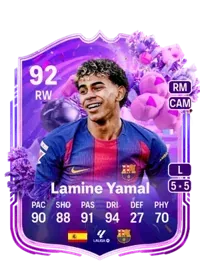
Real Madrid are once again under the spotlight, but this time it’s not only about tactics or results. Reports suggest a deepening rift between star players and head coach Xabi Alonso, with claims that several senior figures in the squad would like to see him removed. At the heart of the storm is Vinícius Jr, whose contract situation and alleged refusal to renew under current conditions are fueling speculation about a possible exit.
Beyond the headlines, this saga raises bigger questions: Who really runs a modern superclub – the coach, the president, or the players? How much power should superstars have? And what happens when effort, pressing, and defensive work become optional for attackers who see themselves as untouchable?
For football fans and gamers alike, this story is fascinating. It affects how we talk about Real Madrid in real life, but it also shapes how we build squads and think about chemistry in EA FC and other football titles. A club built around egos instead of structure rarely succeeds – whether on the pitch or in-game.
Vinícius Jr’s Contract Standoff and Transfer Dilemma
One of the most explosive angles in this situation is Vinícius Jr’s reported stance on his contract. According to the discussion, Vini has roughly a year and a half left on his deal, and there are claims that he has informed president Florentino Pérez he will not renew as long as his relationship with Xabi Alonso remains damaged.
From a club management perspective, that creates a harsh but clear equation:
- Let him run down his contract and risk losing an elite, high-value player on a free transfer.
- Cash in during the next transfer window and reinvest, even if that means a huge change to the team’s attacking structure.
The speaker argues that, if Vini genuinely does not want to extend, Real Madrid should sell rather than gamble on a free departure. In pure business terms, it’s difficult to disagree. The club has repeatedly shown it can rebuild after losing icons: Cristiano Ronaldo left and the trophies kept coming; Barcelona eventually recovered competitively after Messi’s departure.
But the emotional side is different. Vinícius Jr embodies the current era of Madrid – a Champions League hero, a face of the brand, a player many fans identify with. Letting him go would not only be a financial decision, but a cultural one. It would send a message that no player, however talented, is bigger than the club.
Why Some Players Reportedly Want Xabi Alonso Gone
Reports claim that the relationship between Xabi Alonso and part of the dressing room is badly fractured. The alleged reason isn’t personal rivalry or public criticism – it’s work. More specifically: pressing, defensive responsibility, and tactical discipline.
According to the commentary, Alonso expects his attackers to:
- Press aggressively from the front.
- Track back when possession is lost.
- Respect positional instructions within a structured system.
This is a very different environment from the one many players experienced under Carlo Ancelotti, who is often described as a classic “players’ manager.” Under Ancelotti, there was more freedom, more trust in individual expression, and arguably less emphasis on constant, high-intensity defensive work from the star forwards.
When a coach arrives and tries to tighten those habits, some players can feel as though their status is being challenged. The commentary suggests that certain big names – especially those who already see themselves as global icons – are not happy about being asked to run as hard off the ball as lesser-known teammates. That tension leads to leaks, rumors, and calls for the coach to be sacked.
The deeper issue isn’t just Alonso versus his stars; it’s about identity. Is Real Madrid a hard-working, tactically disciplined team where everyone sacrifices, or a talent-first environment where superstars are protected, even when they refuse to do their defensive job?
The Pressing Problem: Mbappé, Vini Jr and Defensive Work
One of the key criticisms raised in the discussion is the lack of pressing and defensive contribution from Vinícius Jr and Kylian Mbappé in certain moments. The speaker describes watching a sequence where neither player bothered to press or chase the ball, allowing the opponent to build play calmly without any real pressure.
In modern football, especially at elite level, that kind of behavior stands out. Top coaches – from Jürgen Klopp to Pep Guardiola – demand that even attacking stars contribute to the team’s work out of possession. Pressing is not optional; it’s part of the collective identity.
The argument goes like this:
- You can carry one player who doesn’t track back if they are producing something truly special.
- Carrying two or more forwards who refuse to defend is tactical suicide, especially against high-level opposition.
The speaker contrasts this with Lionel Messi and Cristiano Ronaldo at their peaks. They could sometimes conserve energy because their output was historically outrageous – goals, assists, titles, consistency. The current generation of stars, however brilliant, have not yet matched that level over a long period. From that perspective, the idea that younger stars think they no longer need to prove themselves or work hard is portrayed as privileged and complacent.
This is where frustration really kicks in: fans, coaches, and even teammates who run themselves into the ground don’t want to see attackers walking while the opponent advances unhindered. In a club that prides itself on its Champions League pedigree, that attitude is especially hard to accept.
No Player Is Bigger Than Real Madrid
A recurring theme in the analysis is the idea that no individual is larger than the club. Real Madrid existed before any current player was born, and it will exist long after they retire. The same is true for Barcelona, Manchester United, and other giants: players are temporary; clubs are (mostly) permanent institutions.
When stars start dictating who should be coach, which rules they will follow, or how much running they are willing to do, the balance of power shifts in an unhealthy direction. That’s when a team risks turning from a focused football project into a circus full of leaks, drama, and divided loyalties.
The speaker emphasizes that:
- Ronaldo left Madrid; the club continued to win.
- Messi left Barcelona; the club eventually rebuilt competitively.
- Any current superstar can also be replaced, even if it takes time.
To wear the Real Madrid shirt – or any elite club shirt – should mean playing for the badge, not for your personal brand. Supporters expect effort as much as talent. A player who refuses to listen to a coach, refuses to run, and expects to be undroppable is, in this view, acting childishly and disrespectfully toward the club and its fans.
Are Real Madrid Becoming the Next Manchester United?
Another strong comparison made is with Manchester United, a club that has struggled for years with instability, dressing-room power struggles, and unclear football identity. When the conversation around a team shifts from tactics and performances to leaks, player vs coach feuds, and constant negative headlines, that’s a sign of deeper dysfunction.
The commentary suggests that Real Madrid are beginning to show some of those warning signs:
- Players unhappy with stricter coaching methods.
- Rumors about stars wanting transfers because bad habits are being challenged.
- A split between those who buy into the coach’s demands and those who resist.
Under Carlo Ancelotti, much of this was hidden or neutralized because of his man-management skills and willingness to give more freedom. Xabi Alonso, by contrast, is portrayed as someone trying to build a more structured, hard-working side, even if that means upsetting the biggest names.
For rivals – especially Barcelona supporters – this chaos is almost enjoyable. A “negative cloud” over Real Madrid offers entertainment off the pitch and, potentially, advantages on it. For Madridistas, though, it’s deeply worrying. They’ve seen too many examples in European football where internal wars wreck seasons, projects, and dressing-room cohesion.
What This Means for EA FC Players, Coins & Club Building
If you’re a gamer who spends hours on EA FC, Ultimate Team, or Career Mode, this Real Madrid drama is more than just gossip – it mirrors problems you’ve probably faced in-game. A squad full of high-rated cards with no chemistry, no pressing, and no tactical discipline looks incredible on paper but can feel terrible to play with.
Think about how you build your teams:
- You don’t just stack superstars; you look for balance.
- You need pace, work rate, defensive support, and players who fit your system.
- You sometimes bench a higher-rated card because a slightly lower-rated one works harder and fits better.
Real Madrid’s current situation is the real-life version of that dilemma. If two of your attacking players refuse to track back, your midfield and defence are left exposed, stamina drains, and you concede soft goals – whether in La Liga or in EA FC’s weekend league. In career mode, you might even sell a popular player for the sake of long-term stability and tactical coherence.
The same logic applies when you’re managing your in-game economy. You might grind matches to earn packs, trade on the market, or look for reliable sources to improve your squad quickly and safely. That’s where specialist platforms enter the picture, as long as they are trustworthy, transparent, and focused on user security.
How ItemD2R Supports Your EA FC 26 Journey
Just as Real Madrid’s leadership must make tough choices about contracts and discipline, EA FC players constantly have to decide how to allocate time and resources when building their dream squads. Not everyone has hours each day to grind rivals, objectives, and SBCs. Many players look for efficient, safe ways to strengthen their teams before the meta shifts or a new promo drops.
Platforms like ItemD2R are designed with that reality in mind. Instead of wasting time on unreliable sources, you can turn to a dedicated site that focuses on secure transactions, fast delivery, and a smooth user experience for football gamers. If you’re preparing for the next installment of EA FC, you may want to get ahead of the curve with a stronger squad, so that when the competitive modes open, you’re ready to go from day one.
On ItemD2R, you can legitimately and conveniently sell eafc 26 coins or pick up the balance you need to finish that dream attack or shore up your defence. The process is built around simplicity and speed: select the amount, follow the instructions, and complete your trade with confidence.
If you’re planning a big squad overhaul or preparing for new promos, you can also look into fc26 fifa coins offers. Used wisely, these resources help you mirror the kind of big decisions clubs face in real life – selling assets at the right time, reinvesting in key positions, and maintaining a healthy balance between star power and team structure.
In other words, while Real Madrid wrestle with contracts and egos, you can focus on what really matters in your own game: building a team that works, not just a collection of names. ItemD2R’s services aim to give you the flexibility to experiment with different tactics and line-ups without spending every evening grinding, letting you enjoy the strategic side of football gaming instead of just the grind.
What Comes Next for Real Madrid?
Projecting the future is always risky in football, but a few possible paths are clear:
- Back the coach: Madrid could fully support Xabi Alonso, even if that means benching or selling high-profile names who refuse to adapt.
- Back the stars: The club might side with key players, risking another managerial change and sending the message that the dressing room holds the real power.
- Find a compromise: A delicate balance where demands are slightly softened, egos are managed, and everyone sacrifices a little to keep the project alive.
From a long-term perspective, most successful clubs eventually learn the same lesson: structure must win over star worship. Players come and go, but a strong identity, clear tactical principles, and a culture of hard work keep delivering results year after year.
The big test for Real Madrid is whether they can maintain their winning DNA while handling this generation of global superstars – especially those who are simultaneously football icons and commercial brands. If contracts, sponsorships, and social media clout start to outweigh tactical responsibility and defensive effort, the consequences will be felt on the pitch, not just online.
Final Thoughts: Playing for the Badge
Strip away the rumors, and this story comes down to something simple: work, respect, and identity. Real Madrid’s badge represents history, sacrifice, and excellence. Any player who wears that shirt – whether it’s Vinícius Jr, Mbappé, or the next generation of talents – is expected to honor that legacy by running, pressing, listening to the coach, and doing the ugly work as well as the highlight plays.
In football games, we intuitively understand that a team full of high-rated cards isn’t enough. You need chemistry, roles, balance, and discipline. The same applies in real life. A club that lets stars ignore defensive duties or dictate managerial decisions risks becoming exactly what the speaker fears: a circus instead of a football team.
Whether you’re watching from the stands, following the drama on social media, or managing your own club in EA FC, the principle stays the same: the badge is bigger than any name printed on the back. Clubs endure; players don’t. And the teams that remember that truth usually end up lifting the trophies – in real life and in-game.
If this Real Madrid energy is as toxic as some reports claim, it needs to change. The question is whether the club will choose short-term comfort for its stars, or long-term strength for its identity. Until then, the debate will rage on – and fans on both sides of El Clásico will be watching closely.
-
FC 26 Path to Glory Team 1: Predicted Players, Release Date & Live Upgrade Guide (June 5, 2026)Jun 03,2026
-
FC 26 Festival of Football: Full Promo Schedule, Path to Glory & What to Expect (June–July 2026)Jun 03,2026
-
EA FC 26: Ultimate Team Token System ExplainedJun 03,2026
-
FC 26 Ultimate TOTS Upgrade SBC — Is It Worth It? Last Chance Before June 3 DeadlineJun 03,2026
-
EA FC 26 Path to Glory — World Cup Upgrade TrackerJun 02,2026
-
EA FC 26 Path to Glory: Start Date, Leaks & Best TipsJun 02,2026
-
How EA FC 27 Can Win Back Frustrated FC 26 PlayersJun 02,2026
-
EA FC 26 Meta Update: Analog Sprint, Top Formations & 500k SquadJun 02,2026













 YouTube
 Facebook
 Twitter
 Tiktok
 Discord
 Linktree






 Join us
