



Real Madrid Are Falling Apart: Team Crisis, Ego & What Comes Next
- Barcelona’s Ugly Win and Why It Matters
- Modern Football, Stats Culture and Selfish Decisions
- What Barcelona Got Right: Teamwork Over Ego
- Real Madrid’s Crisis: More Than One Bad Game
- Madrid’s Attack: Talent Without Chemistry
- Midfield & Defense: Great Names, Weak Structure
- Coaching, Leadership and the Yes‑Man Problem
- The Manchester United & Benfica Warning Sign
- What This Means for Football Gamers & FUT Economy
- How ItemD2R Helps FUT Players Compete Smarter
- What Real Madrid Must Change Next
- Final Thoughts: Respect the Past, Fix the Present
Barcelona’s Ugly Win and Why It Matters
In knockout football, you don’t always need to be beautiful – you just need to be efficient. That’s exactly what Barcelona showed in their Copa del Rey tie. By most standards, it was one of their worst displays of the season: sloppy passing, slow tempo, and little control. Yet they still walked away with a 2–0 victory.
This is what many players and fans forget: months from now, nobody will obsess over how bad the performance looked. The conversation will be simple – Barcelona progressed; Real Madrid did not. In title races and cup runs, it’s not your highlight reels that win you trophies, it’s these grinding, ugly wins when the team is suffering.
Matches like this are often called “championship games” – not because they’re fun to watch, but because good teams find a way to survive them. You don’t lift trophies only by winning El Clásico; you earn them by taking care of awkward, tiring fixtures that could easily slip away.
Modern Football, Stats Culture and Selfish Decisions
A single moment in this game perfectly captured what’s wrong with a lot of modern football. With Barcelona holding a fragile 1–0 lead, Racing broke away on a deadly counterattack. It was a simple 2-on-1 situation, and the correct decision was obvious: slide the ball across to the teammate for a tap-in and a likely 1–1 equaliser.
Instead, the attacker chose to shoot. No angle, tight space, and a top goalkeeper in front of him – he still went for personal glory. The chance was wasted.
This is not an isolated mistake; it’s a symptom. Today, many players are obsessed with individual moments, goals, and highlight clips. Assists don’t trend like long shots. Off-the-ball work rarely makes the headlines. The result? Worse decision-making and weaker teams.
That one selfish choice could have forced extra time and completely changed the narrative of the match. Instead, it became a case study in how ego and stats culture can sabotage a team’s chances.
What Barcelona Got Right: Teamwork Over Ego
On the other side, Barcelona’s second goal showed the opposite mentality – collective play and accountability. After surviving Racing’s missed equaliser, Barça broke forward. Lamine Yamal initially tried to square the ball to a teammate, but the pass failed and the move became chaotic.
The ball landed with Raphinha. He had every right to shoot; the angle was decent, and most wingers would have gone for goal. Instead, he laid it back for Lamine, who then scored. Rather than celebrating himself as the hero, Lamine’s first instinct was to apologise to his teammate for botching the earlier pass.
This moment sums up why Barcelona looked more like a team:
- Forwards willing to pass up a shot for a better-positioned teammate.
- Young stars showing humility and responsibility.
- A collective mindset: if one player fails, another covers.
Even on a day when Barcelona’s football was anything but fluid, the attitude was right. They ran for each other, sacrificed individually, and held each other to a standard. That’s exactly what’s missing at Real Madrid right now.
Real Madrid’s Crisis: More Than One Bad Game
Real Madrid’s problems are not about a single upset or a shock cup defeat. According to the analysis behind this discussion, the club is in a deeper, structural crisis: too many egos, not enough teamwork, and a culture that protects stars instead of demanding more from them.
Interestingly, there was a phase when Madrid played better football without Jude Bellingham in the XI, when another attacker was linking more naturally with Mbappé. The team looked more balanced and cohesive, with clearer roles and more defensive work from the front. Once all the superstars returned, the chemistry faded.
This is the core issue: as a unit, Real Madrid simply doesn’t function. The club is overflowing with individual quality – Mbappé, Bellingham, Rodrygo, Vinícius, Camavinga, Tchouaméni, Valverde – but the pieces are not fitting together. The team is overrated as a collective, even if the players are elite on paper.
Madrid’s Attack: Talent Without Chemistry
Up front, Real Madrid rely far too heavily on isolated moments of brilliance. There’s little coordinated pressing, inconsistent defensive tracking by the forwards, and a visible competition over who gets to be the main star.
One name repeatedly called out in the source commentary is Vinícius Jr. The criticism is not that he lacks talent – we know his ceiling is high – but that he isn’t doing enough to help the team on either side of the ball:
- Defensively, he doesn’t track runners consistently.
- Offensively, he can disappear when facing compact, disciplined defenses.
- An occasional spectacular goal hides long stretches of low impact.
Previously, some fans would put the blame on Mbappé’s arrival or on tactical adjustments. That excuse is gone. The ego battle over who is the franchise player is hurting Madrid. Instead of a synchronized frontline, you see disconnected actions and forced shots.
By contrast, Barcelona’s forwards – who are individually less hyped right now – are combining better, sacrificing, and making decisions that benefit the team first. On form, they simply look more like a cohesive attacking unit than Madrid’s attackers.
Midfield & Defense: Great Names, Weak Structure
Real Madrid’s midfield is often spoken of as the club’s biggest strength. Young, dynamic, technically gifted – on paper, it should dominate. But that’s exactly where the analysis turns harsh: this midfield is overrated as a collective.
The individuals – Camavinga, Tchouaméni, Valverde, and others – are outstanding players. Yet together, they’re not consistently protecting the defense or controlling games. The back line looks worse than it really is because the midfield isn’t screening properly, isn’t pressing coherently, and isn’t dictating tempo.
Defenders are exposed to constant transitions, full-backs are left outnumbered, and the team shape collapses too easily when opponents break lines. No amount of individual brilliance can compensate for systemic problems like:
- Forwards not pressing as a unit.
- Midfielders failing to close passing lanes or track late runners.
- Defenders stuck in emergency defending instead of proactive positioning.
The result is a Real Madrid side that looks worse than the sum of its parts. If nothing changes, a trophyless season is a real possibility.
Coaching, Leadership and the Yes‑Man Problem
Another major theme in the source opinion is the lack of genuine coaching. The argument is simple: this squad does not need a celebrity manager who babysits egos; it needs a coach who will drill them, coach their defensive habits, and demand collective effort.
The decision to part ways with a coach referred to as “Chab Alonso” (clearly pointing to a Xabi Alonso-type profile) is criticised as a serious mistake. The idea is that Madrid chose comfort over challenge – preferring someone who keeps the peace and protects big names instead of someone who would reshape the team tactically, even if that meant upsetting a few stars.
According to this viewpoint, there are too many yes‑men around the club: people who say the right things to keep the dressing room calm but don’t confront underperformance. What Madrid truly need is:
- A coach with authority to bench anyone, regardless of status.
- Clear defensive and pressing principles, enforced every week.
- A culture where not tracking back or walking off the ball has consequences.
If certain players refuse to be coached – the argument goes – then they should be sold. The badge and the system must come first. Past Madrid wingers are held up as examples of work rate and mentality that some current attackers simply haven’t matched yet.
The Manchester United & Benfica Warning Sign
The situation at Real Madrid is compared to other major clubs, especially Manchester United. At United, managers who try to challenge players, demand higher standards, or confront the board often end up sacked. The club spends heavily, but the team underperforms and lacks a clear identity.
Similarly, the source commentary mentions ongoing frustrations with Benfica: a club investing big in transfers, yet failing to convert that into consistent European success. The pattern is familiar:
- Big signings instead of coherent squad building.
- Managers walking on eggshells around star players.
- Boards chasing optics and short‑term reactions over long‑term structure.
The warning for Real Madrid is straightforward: you can’t live forever off past Champions League triumphs. Reputation wins headlines, not matches. Without honest self‑assessment and structural change, even the biggest clubs can drift towards mediocrity.
What This Means for Football Gamers & FUT Economy
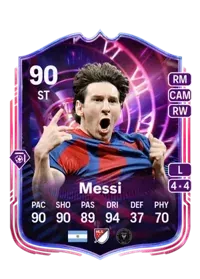
All of this doesn’t just affect real‑world football; it also shapes the way we experience the game in titles like EA FC and FIFA. When a club like Real Madrid looks disjointed and Barcelona look more stable, that perception trickles directly into Ultimate Team, player popularity, and the in‑game transfer market.
Players who follow football closely know that form, hype, and real‑world narratives can drive card prices up or down. When a star is criticised for selfishness or poor teamwork, some gamers become less inclined to build their squads around him. Conversely, when a young player like Lamine Yamal is praised for humility and end product, demand for his special cards can spike.
That’s where economic efficiency becomes crucial for gamers. Instead of wasting time grinding repetitive matches for small rewards, many FUT players look for ways to optimize their resources. Trusted marketplaces such as ItemD2R are built precisely for this need. If you want to buy fifa coins cheapest in a secure and efficient way, you can react quickly to market swings when Real Madrid’s form drops or Barcelona cards suddenly rise in value.
As squads evolve and new promos drop, having flexible access to coins ea fc 26 gives you the freedom to follow the meta instead of falling behind it. Just like top clubs need structural planning rather than emotional decisions, smart FUT managers rely on stable coin supplies and informed buying rather than panic spending.
How ItemD2R Helps FUT Players Compete Smarter
ItemD2R has built its reputation in the gaming community by focusing on three pillars that mirror what successful football clubs strive for: reliability, efficiency, and long‑term planning. For Ultimate Team players, this means a practical way to stay competitive throughout the EA FC 26 cycle without burning out on endless grinding.
Instead of relying purely on pack luck, you can reinforce your squad at key moments – when Real Madrid get a special promo card, when Barcelona’s youngsters receive upgraded items, or when market trends shift after big real‑world results. By choosing to buy fifa coins cheapest through a consistent provider, you reduce the risk of overpaying during hype waves.
For competitive players chasing Weekend League ranks or content creators who need strong squads to showcase tactics, access to sufficient coins ea fc 26 is not a luxury – it’s part of your strategy. The idea is similar to how top teams invest smartly in their squads: use your budget wisely, time the market, and build a balanced team that actually works together, not just a collection of big names that don’t fit.
Ultimately, whether we’re talking about Real Madrid’s real‑world roster or your Ultimate Team club, the principle is the same: structure, chemistry, and smart resource management beat ego and impulse every time.
What Real Madrid Must Change Next
If Real Madrid want to avoid a lost season, several things need to change decisively:
- Honest evaluation of the attack: Decide who fits together and who doesn’t, rather than forcing all the biggest names into one lineup.
- Rebuild the midfield structure: Keep the talent, but redefine the roles so that defense is properly protected and transitions are controlled.
- Non‑negotiable defensive work from forwards: Walking and selective pressing should no longer be tolerated.
- Empower a real coach: Give a tactician the authority to bench stars, change systems, and build a team identity that survives injuries and dips in form.
- Trim what doesn’t work: If certain players refuse to be coached or don’t fit tactically, move them on instead of preserving them for marketing reasons.
None of this means Madrid lack quality. In fact, the squad is stacked with players many neutrals love watching. The point is that talent without structure, and ego without accountability, leads nowhere.
Final Thoughts: Respect the Past, Fix the Present
Real Madrid’s history is untouchable. No amount of criticism will erase their Champions League dominance or their legendary squads. But history is not a shield against present‑day problems. Right now, Barcelona – even when playing badly – are showing more unity, more sacrifice, and more humility.
For Madrid fans, the challenge is to step away from nostalgia and look at this squad with clear eyes. The individuals are outstanding; the team performance is not. Until the club puts collective responsibility, tactical structure, and honest leadership above ego, the risk of a trophyless season will remain very real.
Whether you’re analysing tactics, supporting your club, or building your dream XI in EA FC, the lesson is the same: moments win highlights, but only teams win titles.










 OPEN FREE PLAYER PACK
-
FC 26 Path to Glory Team 1: Predicted Players, Release Date & Live Upgrade Guide (June 5, 2026)Jun 03,2026
-
FC 26 Festival of Football: Full Promo Schedule, Path to Glory & What to Expect (June–July 2026)Jun 03,2026
-
EA FC 26: Ultimate Team Token System ExplainedJun 03,2026
-
FC 26 Ultimate TOTS Upgrade SBC — Is It Worth It? Last Chance Before June 3 DeadlineJun 03,2026
-
EA FC 26 Path to Glory — World Cup Upgrade TrackerJun 02,2026
-
EA FC 26 Path to Glory: Start Date, Leaks & Best TipsJun 02,2026
-
How EA FC 27 Can Win Back Frustrated FC 26 PlayersJun 02,2026
-
EA FC 26 Meta Update: Analog Sprint, Top Formations & 500k SquadJun 02,2026













 YouTube
 Facebook
 Twitter
 Tiktok
 Discord
 Linktree






 Join us
