



Real Madrid 6–1 Monaco: Harsh Criticism, Big Response & UCL Chaos













- Champions League Chaos: A Night Nobody Expected
- PSG Shocked by Sporting: A Power Shift in the Group
- Manchester City’s 3–1 Defeat and Red Card Drama
- Real Madrid 6–1 Monaco: From Crisis to Statement Win
- Vinícius, Mbappé & Bellingham: The Stars Step Up
- Barcelona’s Slip and the La Liga Title Race
- Are Arsenal the Best Team in Europe Right Now?
- Benfica vs Juventus: A Quietly Crucial Fixture
- Harsh Criticism vs Support: The Life Lesson Behind the Boos
- From Real Pitch to Virtual Pitch: EA FC 26, Coins & ItemD2R
- Final Thoughts: A Turning Point Matchday
Champions League Chaos: A Night Nobody Expected
The latest Champions League matchday delivered one of those wild nights where logic went out of the window. Favourites stumbled, underdogs rose, and narratives around clubs like PSG, Manchester City, Real Madrid, and Arsenal shifted in a matter of hours.
What looked like a routine evening turned into a chaotic mix of shock results, red cards, and statement performances. The headline, without question, was Real Madrid’s 6–1 demolition of Monaco – not just because of the scoreline, but because of the context: intense pressure, loud boos in the previous matches, and serious questions around the squad and new manager.
But the story of the night was bigger than one game. PSG were stunned by Sporting, City slipped up in dramatic fashion, Arsenal continued their impressive run, and the battle for knockout qualification became far more complicated than before.
PSG Shocked by Sporting: A Power Shift in the Group
One of the earliest shocks came from the clash between PSG and Sporting. On paper, PSG’s attacking quality should have been enough to control the match. Instead, they were dragged into a scrappy contest and ultimately lost 2–1.
The expectation going in was that Sporting might grind out a draw or steal a point, but very few genuinely predicted a Sporting win. That’s what makes this result huge: it wasn’t just an upset, it was a possible turning point in the group standings.
With this victory, Sporting suddenly look like serious favourites to qualify. They not only took three points; they sent a message that they can handle the pressure of big European nights. The late goals and decisive finishing underlined their belief and composure.
For PSG, this defeat raises all the usual questions again: mentality, balance between attack and defence, and whether the team can truly deliver when it matters most in Europe. One bad night doesn’t define a season, but it does reshape the path to the next round.
Manchester City’s 3–1 Defeat and Red Card Drama
Manchester City also had an evening to forget. They fell to a 3–1 defeat, in a match complicated further by a red card that shifted the momentum decisively against them.
Without their usual control and rhythm, City looked unusually vulnerable. Conceding three and going a man down turned a challenging game into a bad one, both in performance and in the points column. The speaker whose perspective we’re reworking here openly admitted they couldn’t break down every tactical detail, but one thing was clear: this was a very poor result for City.
Still, the story isn’t over. Depending on results in the final matchday and how the group table shakes out, City can still qualify and even repair their image quickly. The final group game now takes on extra importance, especially if Barcelona’s involvement in the group complicates the standings further.
Real Madrid 6–1 Monaco: From Crisis to Statement Win
The standout story of the night – and the emotional core of this matchday – was Real Madrid’s 6–1 destruction of Monaco. On the surface, it looks like a routine big-club win against a weaker opponent. In reality, this was something much deeper: a team under fire, responding in the loudest possible way.
Leading into this match, Real Madrid were sitting in a storm of criticism. The fans at the Bernabéu had been booing heavily, players were under scrutiny, and the new manager was already feeling genuine pressure. Questions about leadership, dressing-room harmony, and tactical direction were everywhere.
Then came Monaco – and Madrid exploded. Six goals, relentless pressure, and a performance that not only secured three points but also practically guaranteed their place among the top eight seeds in the next phase. The result was so decisive that Madrid may not even need the final group match to secure their desired position, massively reducing their risk of a tricky playoff tie.
More important than the math, though, was the psychology. This match felt like a reset button. The combination of clinical finishing, high energy, and visible unity on the pitch made it a symbolic answer to all the doubts of the previous weeks.
Vinícius, Mbappé & Bellingham: The Stars Step Up
If you want to understand how Real Madrid turned a crisis around in 90 minutes, you have to look at the performances of their key players.
Vinícius Jr.: A Perfectly Placed Goal and a Powerful Gesture
Vinícius Jr. has been at the centre of intense debate recently. His form dipped, his decision-making was questioned, and even his future role at the club was being discussed. In this match, however, he delivered exactly what fans have been begging for: end product and maturity.
His goal was beautifully placed – composed, precise, and technically clean. But what really stood out was his reaction. Instead of a flashy, self-focused celebration, Vinícius ran straight to the new manager and hugged him. It was a small moment with big symbolism, suggesting honest conversations behind the scenes and a unified desire to move forward.
For a player who has been criticised so fiercely, scoring in such a big win and actively showing support for the coaching staff is a strong response. It’s the sort of moment that can change the tone around a player’s season.
Kylian Mbappé: A Clinical Brace and Leadership in Interviews
Mbappé contributed with two goals, reinforcing his status as one of the deadliest forwards in world football. But his impact wasn’t limited to the pitch. Leading into this match, he faced questions about Vinícius and the internal mood at Real Madrid.
Instead of fanning any flames, Mbappé chose a measured, mature tone. He essentially said: Vinícius will work it out, my job is to help the team. That mix of reassurance and responsibility is exactly what a big-club dressing room needs when tension rises.
On the field, his brace turned dominance into humiliation for Monaco. When your star forward both scores and stabilises the media narrative, it’s a massive win for the club.
Jude Bellingham: Influence Everywhere
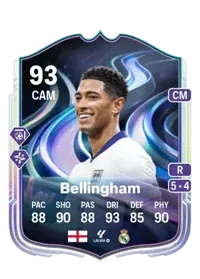
Jude Bellingham continues to be a game-changer. Even when he isn’t the headline name on the scoresheet, his influence across midfield is obvious. Pressing, link-up play, late runs, and composure under pressure – all of it feeds into Madrid’s structure.
In a match where confidence needed rebuilding, Bellingham’s consistency was invaluable. You can see why many already rank him among the best young players in the world, and why his presence helps stabilise Real Madrid when the external noise is loud.
Barcelona’s Slip and the La Liga Title Race
While the Champions League chaos played out, La Liga dynamics quietly shifted. Barcelona’s defeat to Real Sociedad came at a crucial moment. For Madrid, already under pressure, this result from a rival was like oxygen.
Suddenly, the table didn’t look so bleak. Real Madrid found themselves just one point behind Barcelona, with a Champions League statement win in their pocket and 15 points on the European board. In a matter of days, the story shifted from “crisis” to “back in the race”.
Inside the dressing room, you can almost imagine the message: ignore the boos, look at the table, and keep pushing. The title race is wide open, and both La Liga and the Champions League now feel like realistic battlegrounds again for Madrid – as long as they maintain this level over the next few fixtures.
Are Arsenal the Best Team in Europe Right Now?
Amid the chaos, Arsenal quietly continued building something impressive. According to the original speaker’s view, Arsenal’s Champions League record this season is spotless – unbeaten and playing with a consistency that many big clubs would love to have.
There was even a playful debate on the halftime show about their set-piece routines. Pundits joked about how unorthodox or repetitive some of them looked, but the underlying point was clear: if it works, it works. Much like cleverly designed plays in American football, repeated patterns in football become deadly when executed with precision and belief.
Are Arsenal definitively the best team in Europe? That’s always going to be subjective. But right now, on form and results, they belong firmly in that conversation. In a matchday where giants slipped, Arsenal’s calm efficiency stood out.
Benfica vs Juventus: A Quietly Crucial Fixture
In the background of all the drama involving Madrid, City, and PSG, there’s another fixture with serious implications: Benfica vs Juventus. It may not dominate headlines, but its consequences for group standings are huge.
If Benfica beat Juventus, their points tally increases sharply and their position in the group transforms. That kind of result could even make their final game against Real Madrid far less decisive than originally expected, easing the pressure and allowing them to manage minutes and rotations more comfortably.
From a neutral perspective, it’s one of those matches that could quietly reshape knockout brackets without most casual fans even realising it until the draw is made.
Harsh Criticism vs Support: The Life Lesson Behind the Boos
One of the most interesting angles from this matchday is the emotional relationship between Real Madrid’s fans and their players. Recently, the crowd at the Bernabéu have been brutally honest: when performances dropped, they booed loudly and relentlessly. No one was protected, not even major stars.
After the 6–1 win against Monaco, the atmosphere flipped. The same fans who were whistling and booing were now on their feet, celebrating every goal and cheering every key moment. It’s easy to call that fickle, but there’s also a deeper lesson there.
In football – and in life – you sometimes need people who will tell you directly when you’re not good enough, but who will also be the first to celebrate when you respond. The speaker’s reflection captured this well: genuine support isn’t blind; it holds you to a standard.
For players like Vinícius Jr., this duality can be difficult but ultimately motivating. The message from fans is harsh but clear: if you play at your true level, we’re with you. If you drop well below it, we won’t pretend everything is fine.
From Real Pitch to Virtual Pitch: EA FC 26, Coins & ItemD2R
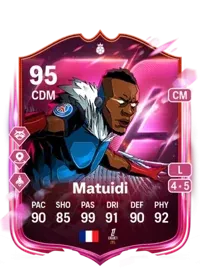
For many fans, nights like this don’t end with the final whistle. They move straight from watching the Champions League to recreating the drama in EA FC 26. You tweak tactics, build new squads around players like Vinícius, Mbappé, and Bellingham, or try to rewrite City’s bad result in your own save.
That’s where game economies and virtual currencies come into play. Building a competitive Ultimate Team in EA FC 26 often requires smart planning – either grinding through matches and objectives, or strategically managing your club’s resources and coins. With the market constantly shifting after big real-world performances, players who stay ahead of the curve gain a serious advantage.
Some dedicated players choose to buy ea fc 26 coins from specialised gaming commerce sites to speed up the squad-building process. Others who have accumulated more resources than they need might sell ea fc 26 coins to convert in-game wealth into something more practical. Platforms like ItemD2R.com focus on these services for gamers who value both time and efficiency, aiming to provide fast delivery and secure transactions so players can concentrate on gameplay instead of worrying about the market all day.
For content creators, streamers, and hardcore Ultimate Team enthusiasts, having flexible access to coins can be the difference between testing new meta squads on day one and waiting weeks to catch up. Just as Real Madrid’s coaching staff has to make quick strategic choices after a big win or a bad defeat, serious EA FC 26 players have to respond fast to new promos, overpowered cards, and shifting tactics in the online meta.
Whether you’re trying to rebuild a struggling club like PSG after a shock loss or mirror Arsenal’s steady dominance using your favourite formation, the bridge between real-world football narratives and the virtual pitch is closer than ever. That connection keeps fans engaged not just for 90 minutes, but for hours afterwards in their favourite football simulation.
Final Thoughts: A Turning Point Matchday
This Champions League matchday had a bit of everything:
- PSG stunned by a fearless Sporting side.
- Manchester City slipping with a 3–1 defeat and a red card.
- Real Madrid transforming a crisis into a 6–1 statement win over Monaco.
- Arsenal quietly reinforcing their claim as one of Europe’s best-performing teams.
- Benfica and Juventus setting up a quietly pivotal showdown.
At the heart of it all sits Real Madrid’s response to harsh criticism. Boos, pressure, and doubt collided with a ruthless performance, big-game contributions from Vinícius, Mbappé, and Bellingham, and a renewed belief in both La Liga and Champions League campaigns.
Football turns quickly. One bad week can spark panic; one big win can restore conviction. This matchday felt like one of those turning points – not just for Madrid, but for several giants across Europe. And as always, the story will continue on both the real pitch and the virtual one, where players around the world log into EA FC 26 to write their own versions of these chaotic, unforgettable nights.
-
FC 26 Path to Glory Team 1: Predicted Players, Release Date & Live Upgrade Guide (June 5, 2026)Jun 03,2026
-
FC 26 Festival of Football: Full Promo Schedule, Path to Glory & What to Expect (June–July 2026)Jun 03,2026
-
EA FC 26: Ultimate Team Token System ExplainedJun 03,2026
-
FC 26 Ultimate TOTS Upgrade SBC — Is It Worth It? Last Chance Before June 3 DeadlineJun 03,2026
-
EA FC 26 Path to Glory — World Cup Upgrade TrackerJun 02,2026
-
EA FC 26 Path to Glory: Start Date, Leaks & Best TipsJun 02,2026
-
How EA FC 27 Can Win Back Frustrated FC 26 PlayersJun 02,2026
-
EA FC 26 Meta Update: Analog Sprint, Top Formations & 500k SquadJun 02,2026













 YouTube
 Facebook
 Twitter
 Tiktok
 Discord
 Linktree






 Join us
