



Real Madrid 4-3 Olympiacos: Mbappé 4 Goals, Vini Jr Shines & La Liga Outlook
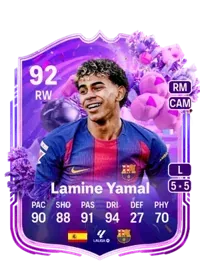
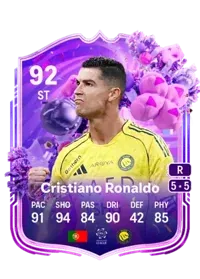










- Real Madrid 4-3 Olympiacos: Why This Match Matters
- Match Overview: A Chaotic 4-3 Thriller
- Mbappé’s Four-Goal Masterclass
- Vinícius Jr: Between Brilliance and Pressure
- Squad Harmony: Vini, Mbappé and Ancelotti
- Who Are the Top 3 Players in the World Right Now?
- Champions League Standings & Barcelona Drama
- Who’s Having the Better Season: Real Madrid or Barcelona?
- January Transfers: What Madrid and Barça Actually Need
- The Nico Paz Debate: Why a Return Could Backfire
- From Pitch to Console: Simulating Real Madrid with ItemD2R
- Conclusion: Madrid’s Fear Factor and the Road Ahead
Real Madrid 4-3 Olympiacos: Why This Match Matters
The 4-3 win over Olympiacos felt less like a routine group-stage victory and more like a psychological stress test for Real Madrid. On paper, a hatful of goals and a four-goal performance from Kylian Mbappé should mean a comfortable night. In reality, the match exposed recurring issues in how Madrid manage leads, big moments and pressure – while also calming some off‑pitch narratives around the squad.
This article breaks down the performance of Mbappé and Vinícius Jr, the changing hierarchy of world football’s top players, and what this game tells us about Real Madrid’s La Liga and Champions League prospects. We will also connect this to the virtual pitch – how you can recreate (or rewrite) these storylines in EA FC with smart squad building and reliable coin solutions.
Match Overview: A Chaotic 4-3 Thriller
Real Madrid’s clash with Olympiacos was intense from start to finish. The scoreline alone tells the story: seven goals, momentum swings, and a finish that left both fans and neutrals exhausted. For a side of Madrid’s stature, conceding three goals in a game that felt under control is both thrilling and worrying.
The key themes emerging from this match include:
- Game management issues – Madrid still struggle to kill off games when they are ahead.
- Reliance on star individuals – Mbappé’s four goals and Vinícius Jr’s influence papered over structural cracks.
- Psychological fragility in big moments – late‑game decision-making continues to raise question marks.
For many analysts, the most worrying takeaway was not the goals conceded in isolation, but the sense that this Madrid side does not yet fully understand how to manage pressure, especially when the opposition fights back. They still win – but they make it far harder than it needs to be.
Mbappé’s Four-Goal Masterclass
Any match in which a player scores four goals should be remembered as their night. Kylian Mbappé delivered exactly that: ruthless finishing, deadly movement, and the aura of a player who expects to decide big matches almost single‑handedly.
What stood out from his performance?
- Clinical in the box – every half-chance felt dangerous. His timing and anticipation separated him from the defenders.
- Vertical threat – he constantly attacked space behind the backline, stretching Olympiacos and freeing teammates between the lines.
- Big-game mentality – even as Madrid’s control slipped, Mbappé remained composed and decisive.
From an individual perspective, this match strengthened the argument that Mbappé is at or near the top of the world game right now. While others drift in and out of form, he continues to produce end product on the biggest stages.
Vinícius Jr: Between Brilliance and Pressure
Vinícius Jr may not have scored four, but he looked like the electric version of himself that Madrid fans fell in love with: direct, fearless and unpredictable. His dribbling and ability to destabilize defenses were central to Madrid’s attacking threat.
Yet there is another layer to his current form: the psychological weight of expectation. Since missing out on the Ballon d’Or, there’s a sense that Vinícius is trying a little too hard to prove he belongs at the absolute top. Instead of simply playing free, he sometimes forces plays, dribbles once too many, or looks desperate to be the hero.
Some observers have suggested he could learn from the mindset of younger players like Lamine Yamal – enjoying the game, trusting his talent, and letting recognition come naturally. The irony is that Vinícius does not need to chase approval; his best version has already shown he is one of the most devastating attackers in world football.
In this match, the positives clearly outweighed the negatives. He was productive, dangerous, and – crucially – part of the emotional heartbeat of the team. If he can keep this level while relaxing mentally, the debate about whether he’s top three in the world will take care of itself.
Squad Harmony: Vini, Mbappé and Ancelotti
In recent weeks, there have been narratives floating around about supposed tension between Mbappé, Vinícius Jr and the coach. The Olympiacos match did a lot to silence those rumors.
Two key images resonated with fans:
- Mbappé & Vini celebrating together – after Mbappé’s goals, their celebrations were united, joyful, and natural. No distance, no awkwardness.
- Ancelotti & Vini embracing post-game – a hug, smiles and relaxed body language sent a clear message: internally, things are calm.
These moments matter because public perception often builds its own stories around star egos clashing. Here, the body language suggested the opposite. The dressing room appears aligned, and the coach still has the trust of his key forwards.
The playful “cinema” element – imagining exaggerated locker‑room scenes, dramatic benchings or whispered conspiracies – makes for good content on streams and social media, but it doesn’t match what we actually saw on the pitch that night.
Who Are the Top 3 Players in the World Right Now?
The discussion around Vinícius Jr naturally leads into a broader question: who are the top three players in the world at this moment, based on current form rather than reputation?
Many analysts and fans would agree on at least two names:
- Kylian Mbappé – consistently decisive, especially in the Champions League.
- Erling Haaland – goal machine, even when his all‑round play is debated.
The third spot, however, is wide open. Candidates mentioned include forwards and creative midfielders who are having outstanding seasons, while others like Harry Kane, despite an elite scoring record, have had dips in influence in crucial spells. When someone half-jokingly suggests a name like Bruno Fernandes as top three, it becomes a meme more than a serious ranking – nobody doubts his talent, but placing him among the absolute elite right now is a stretch.
At the moment, Vinícius is often placed just outside that top-three bracket by stricter analysts, not because his ceiling is lower, but because his consistency and emotional control occasionally lag behind his raw ability. If he can find stability, few players have a higher upside.
Champions League Standings & Barcelona Drama
Looking at the Champions League standings adds another layer of intrigue. Real Madrid sit in a relatively strong position, while Barcelona’s situation looks much more precarious. In some hypothetical scenarios, results from Benfica and other group matches could combine with a Real Madrid result to push Barcelona toward elimination.
This leads to entertaining “what if” conversations:
- Could Madrid indirectly help knock Barcelona out of Europe?
- How would that shift the balance of power in Spain this season?
- Would that change how we evaluate which club is truly having the better year?
Fans jokingly imagine “cinema” – Real Madrid rotating heavily, trolling lineups, or deliberately influencing Barça’s fate. In reality, elite clubs focus on their own objectives, but the idea that Madrid’s results could have knock‑on effects on their rivals adds spice to every group‑stage matchday.
Who’s Having the Better Season: Real Madrid or Barcelona?
On the surface, Real Madrid’s high-profile wins and star moments create a sense of dominance. However, when you step back and look at the bigger picture in La Liga, the gap between the two giants is not as wide as it feels emotionally.
Key points in this comparison:
- Points gap – despite injuries and inconsistency, Barcelona remain close in the table, sometimes just a single point behind.
- El Clásico result – Madrid’s victory in El Clásico gave them bragging rights, yet it also raises the question: if Barça are still that close after losing the biggest league game of the year, how comfortable should Madrid really feel?
- Injury context – Barcelona have been “unhealthy” for long stretches, missing key players in multiple lines.
Some pundits even argue that, under these circumstances, Barcelona could still be considered slight favorites for the league. If they get key players back, stabilize defensively and reinforce wisely in January, they could capitalize on Madrid’s failure to close games and the psychological pressure that comes with being chased.
For Madrid, the concern is not just about current points, but about trends: if they continue to let teams back into games and rely on individual brilliance to bail them out, the margins might eventually go against them in the title race.
January Transfers: What Madrid and Barça Actually Need
January often becomes a turning point for clubs that are one or two smart signings away from a more complete squad. Both Real Madrid and Barcelona face important decisions.
Barcelona: A Center-Back Is the Priority
For Barcelona, the need is clear: defensive stability. A reliable center-back would bring structure to a back line that has been patched together through injuries and form swings.
Possible approaches include:
- Signing an experienced center-back to provide short-term leadership.
- Rebalancing the squad by potentially moving a player like Araujo if a huge offer arrives, then reinvesting – though this is risky and controversial among fans.
- Promoting and trusting a young defender but supplementing them with a more solid rotation option.
Without addressing the core of the defense, Barça’s hopes in La Liga and Europe will continue to depend too heavily on out‑scoring opponents rather than controlling games.
Real Madrid: Do They Even Need to Buy?
Interestingly, when asked which player Real Madrid should sign in January, one clear answer emerges: no one. The logic behind this is straightforward:
- The squad is already stacked with attacking quality.
- Youth prospects are pushing for minutes and need space to develop.
- Short‑term panic buys could block pathways for talents while not truly fixing structural issues like game management, which are more tactical and psychological than purely personnel‑based.
Madrid’s biggest improvements may need to come from within: sharpening their defensive concentration, improving in‑game adjustments, and building a more ruthless mentality when leading matches, rather than expecting another superstar signing to solve everything.
The Nico Paz Debate: Why a Return Could Backfire
One specific transfer topic that raises eyebrows is the idea of Nico Paz returning to Real Madrid midway through the season. On paper, bringing a talented young player back into the squad sounds attractive. In practice, it may be damaging for his development.
Concerns include:
- Lack of minutes – with Madrid’s depth, there’s a real risk he barely plays.
- Blocked pathway – he could end up stuck behind more established options, losing momentum built elsewhere.
- Confidence risks – a young midfielder or attacker needs consistent minutes to make mistakes, learn and grow. Being reduced to late cameos is rarely ideal for talent progression.
From a long-term perspective, Nico Paz might be better served staying where he can play regularly, rather than returning just to sit on the bench at the Bernabéu. Modern elite squads must balance short‑term needs with the career trajectories of their young stars.
From Pitch to Console: Simulating Real Madrid with ItemD2R
For many fans, the story doesn’t end when the final whistle blows. The next step is recreating – or rewriting – these matches in EA FC and other football titles. If you’ve just watched Mbappé score four and Vinícius Jr tear defenses apart, your instinct is to load up your Ultimate Team squad and build your own version of this Real Madrid super‑attack.
This is where in‑game economy matters. Securing top-tier cards, meta defenders and high‑chemistry hybrids requires a stable coin flow. Relying purely on weekly rewards and occasional pack luck can feel painfully slow, especially if you’re trying to compete in Weekend League or climb divisions while the meta is shifting around you.
Specialized platforms like ItemD2R focus on helping players bridge that gap. By offering ea fc 26 coins at scale, they allow dedicated players to speed up squad building and experiment with tactics that mirror real‑world football. Want to test a high-press system with Mbappé and Vini up front, or recreate Barcelona’s possession structure with a ball‑playing center-back? Having quick access to resources lets you swap formations, try new chem styles and adapt to patches without waiting weeks for untradeable rewards.
Budget-conscious players also care about value. That’s why the idea of finding the Cheapest FIFA Coins is so appealing. Lower prices per unit mean more flexibility: you can spread investment across boosters, multiple squads for different game modes, or rotation players that match your tactical plans. When used responsibly and in line with game policies, external coin solutions can transform the game from a grind into a creative sandbox where you focus on what really matters – outplaying your opponent on the virtual pitch.
Ultimately, the same strategic thinking that coaches apply in real football – squad balance, depth, chemistry between profiles – is what separates casual from competitive players in EA FC. Platforms that streamline the economic side of the game free you up to focus on systems, not spreadsheets.
Conclusion: Madrid’s Fear Factor and the Road Ahead
The 4-3 win over Olympiacos was a perfect snapshot of the current Real Madrid: spectacular, star‑driven, and slightly chaotic. Mbappé’s four goals underlined his status among the game’s elite, while Vinícius Jr reminded everyone of his unique ability to unbalance defenses – even as he continues to wrestle with the weight of expectation.
The match helped quiet rumors about internal tension and put the spotlight back on footballing issues: game management, defensive maturity, and consistency across competitions. In La Liga, Barcelona’s proximity in the table and their potential January reinforcement keep the title race wide open. In Europe, Madrid remain a threat, but they must become more ruthless if they want to turn dramatic nights into controlled statements of dominance.
On the virtual side, fans can transpose all of these narratives into EA FC, building squads that reflect their tactical ideas and favorite players. Whether you are optimizing your resources through in‑game grinding or turning to services that provide structured access to coins, the key is the same as in real football: think long‑term, build smart, and never stop adapting.
If Real Madrid can do that on the pitch as effectively as top players do it on their consoles, the rest of Europe has every reason to be worried.
-
FC 26 Path to Glory Team 1: Predicted Players, Release Date & Live Upgrade Guide (June 5, 2026)Jun 03,2026
-
FC 26 Festival of Football: Full Promo Schedule, Path to Glory & What to Expect (June–July 2026)Jun 03,2026
-
EA FC 26: Ultimate Team Token System ExplainedJun 03,2026
-
FC 26 Ultimate TOTS Upgrade SBC — Is It Worth It? Last Chance Before June 3 DeadlineJun 03,2026
-
EA FC 26 Path to Glory — World Cup Upgrade TrackerJun 02,2026
-
EA FC 26 Path to Glory: Start Date, Leaks & Best TipsJun 02,2026
-
How EA FC 27 Can Win Back Frustrated FC 26 PlayersJun 02,2026
-
EA FC 26 Meta Update: Analog Sprint, Top Formations & 500k SquadJun 02,2026













 YouTube
 Facebook
 Twitter
 Tiktok
 Discord
 Linktree






 Join us
