



Is Portugal Historically Better Than Argentina in Football?









- Introduction: A Debate Beyond Messi vs Ronaldo
- Historic Football Hierarchy: Where Portugal and Argentina Stand
- World Cups, Trophies and Pedigree
- Euro 2016 and Portugal’s Rise as a Modern Power
- The "Big Badge" Aura at World Cups
- How Cristiano Ronaldo Changed Portugal’s Global Image
- Life After Ronaldo: Can Portugal Stay Elite?
- World Cup Ticket Prices, Real Fans and Atmosphere
- From Stadium to Screen: What This Means for Gamers and ItemD2R
- Conclusion: Respect for Portugal, Royalty Status for Argentina
Introduction: A Debate Beyond Messi vs Ronaldo
Whenever Portugal and Argentina are mentioned in the same sentence, the conversation usually collapses into Messi vs Ronaldo. But there is a much deeper, more interesting question for football fans and even gamers who live inside virtual stadiums every day:
As football nations, is Portugal historically better than Argentina?
The short answer: historically, no. Argentina belongs to the old guard of football royalty, while Portugal is a newer force that has exploded in relevance in the last couple of decades. That doesn’t mean Portugal isn’t great; it just means we need to separate emotional fandom from historical reality.
This article breaks down that discussion from a content creator’s perspective: titles, legacy, World Cup aura, Ronaldo’s impact, ticket prices, and what all of this represents for gamers who experience football through their screens, controllers, and things like FC Ultimate Team.
Historic Football Hierarchy: Where Portugal and Argentina Stand
When we talk about football history, we are not talking about who has the better squad today or who your favorite player is. We are talking about decades of achievements, World Cups, continent-spanning rivalries and a global aura that exists before a ball is even kicked.
In that historical hierarchy, Argentina sits near the very top. They are usually discussed in the same breath as:
- Brazil
- Germany
- Italy
- Sometimes England and France, depending on the era
These nations are the pillars of international football. They built the sport’s mythology with legendary World Cups, iconic players and unforgettable finals. Argentina, with its World Cup triumphs and legends like Maradona and Messi, is deeply woven into the game’s global history.
Portugal, on the other hand, has been a strong football nation for many years, but only recently has it been treated as a true powerhouse. Historically, when fans discuss European giants, they mention:
- Germany
- Italy
- France
- England
- The Netherlands
only then does Portugal usually enter the conversation. Even if some of these teams are currently weaker than Portugal on the pitch, their historical footprint is still heavier.
So when someone even puts Portugal in the same historical conversation as Argentina, it is actually a huge compliment. It is like comparing Benfica to Real Madrid or Barcelona: flattering, but not fully equal in historical weight.
World Cups, Trophies and Pedigree
One of the most objective ways to compare football nations is simple: count the major trophies.
Argentina’s Trophy Cabinet
Argentina’s history is rich and long-standing. Without listing every piece of silverware, their achievements include:
- Multiple FIFA World Cups
- Numerous Copa América titles
- A constant presence in finals and deep tournament runs
Decade after decade, Argentina has been a major player on the world stage, producing legends, rivalries and iconic moments that define the sport.
Portugal’s Trophy Cabinet
Portugal’s history is different. The country has produced incredible players and iconic generations, but in terms of major international trophies, the real breakthrough came recently.
Portugal’s first major senior international title arrived in Euro 2016. Before that, they had come close—most notably at Euro 2004—but they lacked that crucial big trophy to solidify them as champions on paper.
That is a huge difference. Argentina had already lifted multiple major titles long before Portugal got its first. From a neutral historian’s perspective, that matters. It’s the difference between being a country that is constantly defining eras, and a country that has joined the conversation more recently.
Euro 2016 and Portugal’s Rise as a Modern Power
Euro 2016 is the moment many people point to when talking about Portugal’s arrival as a champion nation. It was a historic, emotional run, but it also came with an important detail that often gets forgotten in hype.
Portugal did not dominate their group. They actually qualified out of the group stage by finishing third. Under older tournament formats, third place in a group often meant elimination. But because of a newer rule that allowed certain third-placed teams to advance, Portugal escaped an early exit and used that second life to go all the way.
None of this discredits the title—trophies are trophies. But in a conversation about long-term history, it shows you the contrast. Argentina had been winning major tournaments for generations; Portugal’s first major title only came in 2016, and under very modern tournament rules.
So, historically speaking, Portugal is a nation that is rising, not one that has always been at the summit.
The "Big Badge" Aura at World Cups
There is a psychological side to international football that gamers will instantly understand. In Ultimate Team or career modes, some clubs and nations just feel bigger, even before kick-off. That’s the badge effect.
At World Cups, certain teams carry that aura:
- Brazil
- Argentina
- Germany
- England
When these teams enter a tournament, people say: "You never know—because it’s them." Even if they are struggling in qualification or in friendlies, the history of those shirts makes fans and opponents respect, and sometimes fear, them.
Portugal, traditionally, hasn’t had that same automatic aura. When people see Brazil or Argentina in a group, they often pencil them in as favorites based on heritage alone. With Portugal, the respect is there, especially lately, but it doesn’t carry the same long-term inevitability.
And when Portugal does have a "you never know" factor, it is usually attached to Cristiano Ronaldo specifically, not the badge itself.
How Cristiano Ronaldo Changed Portugal’s Global Image
One thing that must be said clearly: Cristiano Ronaldo changed everything for Portugal’s global identity.
Before Ronaldo, Portugal was respected, but it wasn’t necessarily considered one of the coolest national teams among casual fans and younger audiences. You might see Brazil, Argentina, Italy or France shirts everywhere. Portugal was more niche.
Ronaldo’s rise turned that perception upside down:
- More kids around the world started wearing Portugal shirts.
- Streamers and content creators began paying serious attention to Portugal.
- People started talking about Portugal as if it were naturally in the same tier as Argentina and Brazil.
In a sense, Ronaldo made Portugal feel bigger than it historically was. He gave the country global recognition well beyond its previous football status. Younger fans, especially those who grew up after the mid‑2000s, may actually assume Portugal has always been a mega-power, simply because Ronaldo has always been at the top of the game in their lifetime.
That’s the power of a generational superstar: he can rebrand an entire nation in the minds of fans, gamers and media alike.
Life After Ronaldo: Can Portugal Stay Elite?
The big question is: what happens when Ronaldo is gone?
Portugal now has a talented new generation—players in top European leagues, major transfer fees and strong squads on paper. The challenge is to prove that Portugal can stay at the top of international football without leaning on Ronaldo’s aura.
If the next generations keep winning, reaching finals and lifting trophies, then in 20–30 years, the conversation could change. Portugal could be seen as a nation that not only had a superstar, but also built a lasting dynasty.
For now, historically, they are somewhere in the middle of the global hierarchy—improving fast, highly respected, but not yet on the same long-term level as Argentina, Brazil or Germany.
World Cup Ticket Prices, Real Fans and Atmosphere
Football isn’t just about tactics and trophies; it’s also about who is in the stands. Recently, World Cup ticket prices have reached levels that push true hardcore fans away from the stadium.
We are talking about tickets that can cost $3,000 or more for a single match. For most normal fans, that’s not realistic. It’s rent, food, or even savings for a child’s future. The people who live and breathe football, who sing for 90 minutes and create the atmosphere players love—many of them simply can’t afford those prices.
Meanwhile, wealthier spectators can afford those tickets, but they don’t always bring the same passion or noise. A stadium full of VIPs does not sound like a stadium full of ultras.
That leads to a harsh truth: sometimes, the best football experience is actually from your couch, with your setup, your chat, your content ready to go. For streamers and content creators, going to a $3,000 group-stage match isn’t just expensive—it’s also a missed opportunity to create content, react live and turn the match into something bigger for their community.
Would it be worth it for a World Cup final with your country involved, or a Champions League final for your club? Maybe. But for many fans, especially gamers and online creators, watching from home is the smarter move most of the time.
From Stadium to Screen: What This Means for Gamers and ItemD2R
The modern football fan doesn’t just live in stadiums; they live in games. Whether it’s FC Ultimate Team, career mode or other football titles, the way we experience nations like Portugal and Argentina has shifted heavily onto digital pitches.
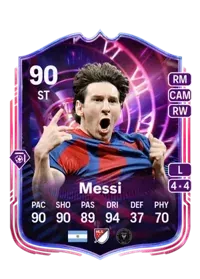
For many younger fans, their first memory of Argentina might be packing a special Messi item, while their first connection to Portugal might be scoring 40 goals a season with Ronaldo in Ultimate Team. In that environment, national teams are judged less by historical archives and more by how their players perform inside the game meta.
This is where in‑game economies and reliable gaming services come into play. If you want to build your dream squad quickly and focus on gameplay rather than endless grinding, options like fut coin cheap and cheap fc coins are extremely relevant for players who value their time.
Platforms such as ItemD2R.com specialize in supporting this modern fan-gamer hybrid. Instead of queuing for overpriced stadium tickets, many fans invest in better setups, more games and stronger squads online. With secure delivery systems, multi-platform support and a focus on fast transactions, services like ItemD2R help players jump straight into the fun part—competing with elite lineups, trying different national combinations and recreating dream matchups like Portugal vs Argentina on their own terms.
In a way, this digital ecosystem keeps the debate alive. You might not be able to afford a real World Cup ticket, but you can still feel the rivalry every night in your ranked matches, weekend leagues and tournaments. Building a squad stacked with Argentine and Portuguese stars becomes your way of writing your own alternative football history on the virtual pitch—one where you decide who is truly superior.
Conclusion: Respect for Portugal, Royalty Status for Argentina
So, is Portugal historically better than Argentina? Looking at trophies, World Cup pedigree and long-term football heritage, the answer is clearly no. Argentina is one of the true heavyweights of the sport, alongside Brazil and Germany, with a legacy built over many generations.
Portugal, however, deserves massive respect. They are a rising power, they’ve delivered legendary players, and thanks to Cristiano Ronaldo, they’ve become a global brand that punches far above what their historical trophy count would suggest. Euro 2016 was a turning point, and the next decades will decide whether Portugal permanently joins the top tier of football nations.
For fans and gamers alike, the beauty is that you don’t have to choose between the history books and your own experience. You can admire Argentina’s royal status, enjoy Portugal’s rise, and then log into your favorite football game to make your own version of the story—whether that means leading Argentina to yet another title or finally giving Portugal the World Cup that still eludes them in real life.
On the pitch, on stream or in Ultimate Team, the debate will never truly end—and that’s exactly what keeps football, and football gaming, so addictive.
-
FC 26 Path to Glory Team 1: Predicted Players, Release Date & Live Upgrade Guide (June 5, 2026)Jun 03,2026
-
FC 26 Festival of Football: Full Promo Schedule, Path to Glory & What to Expect (June–July 2026)Jun 03,2026
-
EA FC 26: Ultimate Team Token System ExplainedJun 03,2026
-
FC 26 Ultimate TOTS Upgrade SBC — Is It Worth It? Last Chance Before June 3 DeadlineJun 03,2026
-
EA FC 26 Path to Glory — World Cup Upgrade TrackerJun 02,2026
-
EA FC 26 Path to Glory: Start Date, Leaks & Best TipsJun 02,2026
-
How EA FC 27 Can Win Back Frustrated FC 26 PlayersJun 02,2026
-
EA FC 26 Meta Update: Analog Sprint, Top Formations & 500k SquadJun 02,2026













 YouTube
 Facebook
 Twitter
 Tiktok
 Discord
 Linktree






 Join us
