



Florentino Pérez Under Pressure: Vinícius Jr Boos, Mbappé Dilemma & Real Madrid’s Rebuild
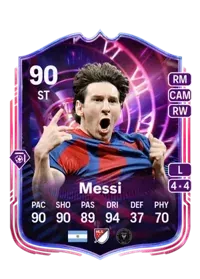













- Is Time Running Out for Florentino Pérez?
- Why Vinícius Jr Was Booed at the Bernabéu
- Mbappé vs Vinícius Jr: Same Zone, Big Problem
- Leadership Void After the Old Guard
- Tactical Imbalance and the Missing No. 9
- What Other Clubs Teach Us: Barça, PSG & More
- Is This Real Madrid Overrated?
- How Madrid Can Fix the Mess: A Rebuild Plan
- World Cup Talk: Who Really Can Win It?
- From Real Football to Virtual Pitch: FC 26 & ItemD2R
- Final Thoughts: New Era or End of an Era?
Is Time Running Out for Florentino Pérez?
Real Madrid are used to drama, but this season feels different. The boos for Vinícius Jr at the Santiago Bernabéu, the debate around Kylian Mbappé’s role, and fans chanting for Florentino Pérez to resign have all created a storm that goes beyond one bad result.
In a podcast-style conversation between host Skills and his cousin David, the pair break down why the current Madrid project looks like a tactical and structural mess. They argue that the problem is not just form or injuries, but squad construction, leadership, and unclear direction from the top.
This article reworks their key arguments into a structured, easy-to-follow breakdown, connecting what is happening on the pitch in Madrid with broader trends in modern football – and even how similar decision-making applies when you build your squad in games like EA Sports FC 26.
Why Vinícius Jr Was Booed at the Bernabéu
The biggest flashpoint was simple and brutal: Vinícius Jr, once the symbol of Real Madrid’s new era, being loudly booed during player announcements and at halftime. Clips reportedly showed him emotional in the dressing room afterward. For a player who has often carried Madrid in big moments, it felt shocking – but historically, it fits the club’s culture.
Madridistas have booed Cristiano Ronaldo, Karim Benzema, Gareth Bale and other legends when expectations weren’t met. Skills and David point out that this doesn’t mean fans hate the player; it’s a symptom of the extremely high standards at a club that defines itself by Champions League trophies.
They also push back against rival fans who mock Madrid supporters for booing their own star. The relationship is two-way: Real Madrid gave Vinícius Jr the global stage to fight for Ballon d’Or level recognition; now, the crowd expects him to perform like that every week. When his form drops, especially after missing out on major individual awards, the frustration targets him first.
At the same time, the boos reveal something deeper than just one player struggling. They reflect a fanbase that senses structural issues: a squad that doesn’t fit together and a project that lacks a clear long-term plan.
Mbappé vs Vinícius Jr: Same Zone, Big Problem
If there’s one tactical headline, it’s this: Mbappé and Vinícius Jr both want the left wing. That’s where they’re most dangerous, driving inside onto their stronger foot, attacking the half-space, and combining with overlapping full-backs.
David is very clear: Mbappé should play on the left. That’s his best role, and when you sign a player of that magnitude, you build around him. But Vinícius also became a superstar from that same zone. Shifting one of them to a central or right-sided role doesn’t come without a cost.
According to the podcast discussion, this is classic Real Madrid: overloading one position with elite talents while ignoring other structural needs. Instead of signing a world-class number nine and reinforcing the back line, the club stacks wide forwards who all want similar spaces.
In practice, this creates several issues:
- Neither Mbappé nor Vinícius feels fully comfortable sacrificing their natural game.
- The central channel is often empty, with no reference striker to occupy defenders.
- Opponents can anticipate the wide overload and compress the left side.
- Defensive transitions become fragile when too many attackers drift into the same lane.
Instead of complementing each other like classic strike partnerships, Madrid’s two megastars are overlapping in role and profile. That’s a squad-building problem, not a talent problem.
Leadership Void After the Old Guard
For a decade, Real Madrid’s dressing room revolved around a few unshakeable pillars: Luka Modrić, Toni Kroos, Karim Benzema, Sergio Ramos. These players didn’t just win matches; they controlled egos, set standards in training, and accepted tactical sacrifices for the team.
Skills and David argue that once those figures step away, the locker room dynamic changes. Younger stars may struggle to accept reduced roles or instructions that limit their personal spotlight. When there is no clear hierarchy, it becomes easier for individuals to prioritize their own status over the collective.
They even float the idea that Madrid could have benefitted from keeping someone like Ramos in some capacity, not just for his defending but for the psychological impact. Even if his minutes were limited, his presence alone demands discipline and accountability.
Without that backbone, modern locker rooms can tip quickly toward chaos, especially when players are stars on social media as much as they are on the pitch. The podcast criticizes the current football culture: players posting, streaming, and building brands while their form dips. It’s not unique to Madrid, but at a club that lives off trophies, it’s especially volatile.
Tactical Imbalance and the Missing No. 9
All of this leads to the most obvious structural issue: Real Madrid still don’t have a clear, elite number nine.
Since Benzema left, Madrid have tried various solutions – false nines, rotated roles, and asking wide forwards to play centrally. None of it truly replaces what a proper striker brings:
- A target for crosses and cut-backs
- Consistent penalty-box movement
- Ability to pin center-backs and create space for others
The podcast notes how hard it is today to find a top-level striker who delivers instantly at a big club. Many high-profile signings across Europe have struggled to adapt to new leagues, systems, or pressure. But acknowledging it’s difficult doesn’t remove the need. Madrid still look like a team built sideways rather than straight through the middle.
Defensively, the squad also feels patched together. Injuries, inconsistent center-back form, and emergency solutions – like using a midfielder such as Valverde at right-back – highlight that the back line was never rebuilt with the same ambition as the forward line. That might win some games, but it rarely wins eras.
Compared to past Madrid midfields that suffocated opponents with control, the current unit lacks that same aura. They’re talented, but not as overwhelmingly dominant. When your attack is unsettled and your defense unconvincing, the entire structure feels fragile.
What Other Clubs Teach Us: Barça, PSG & More
To understand Madrid’s situation better, Skills and David look at other big clubs and their choices.
Barcelona: Competing on a Budget
Barcelona are far from their financial peak, yet they still manage to compete domestically and in Europe. Despite their defensive questions and inconsistent form, they’ve built a squad that, at least on paper, has better balance than many expected given their constraints.
Players like Koundé and younger talents from La Masia are being used to patch holes, and while it’s not always pretty, there is a sense of identity: possession-focused, youth-integrated, and tactically flexible enough to grind results even when the football isn’t vintage.
PSG: Underrated Cohesion
PSG, often dismissed as a "YouTube team," are highlighted as being much stronger than many fans give them credit for. With a rebalanced squad and fewer clashing super-ego dynamics, they look closer to a proper football team than in some previous seasons.
The podcast even highlights an outrageous goal from Ousmane Dembélé as proof that some players who were doubted or mocked are showing a higher level when put in the right context and system.
System Coaches: Amorim, Xabi Alonso & Identity
They also dive into coaches like Rúben Amorim, who prefers a back three/five, and Xabi Alonso, who has had huge success with a similar structure. The key lesson: clubs should recruit players to fit the coach’s system instead of forcing a coach to abandon the style that made him successful.
Some coaches struggle when they move to big clubs because the environment demands instant success, and the squad they inherit doesn’t fit their philosophy. If Madrid continue to sign whoever is available rather than whoever fits a clear tactical vision, they risk falling into the same trap.
Is This Real Madrid Overrated?
One of the boldest claims in the conversation is that this Real Madrid side is overrated. Not bad, not mid-table – just inflated by the shirt, the stadium, and the history.
When you strip away the aura, how many of their current starters are undeniably the best in the world in their position? According to Skills and David, maybe only a couple. The rest are excellent players, but not so elite that you can ignore the weaknesses around them.
In decades past, Madrid won titles and also felt inevitable. Even on an off day, it seemed like they would find a late goal or a big save. Right now, the team feels more fragile. If Vinícius is off, if Mbappé is out of rhythm, or if the defense makes one mistake, there’s no guarantee someone else will step up.
Overrating the squad leads to dangerous decisions. The board may convince itself that only minor adjustments are needed, when in reality, a deeper structural rebuild is required.
How Madrid Can Fix the Mess: A Rebuild Plan
So what should Real Madrid actually do? The podcast offers a few clear, if ruthless, solutions.
1. Choose a Coach and Give Him Real Power
First, Madrid need a coach with authority – someone backed by the club hierarchy and untouchable in front of the dressing room. This coach must be able to:
- Bench stars when necessary
- Define a clear tactical identity
- Demand signings that fit his system
- Phase out players who don’t buy into the project
Without that backing, the coach becomes a short-term manager, and the players inevitably hold more power than they should.
2. Stop Overbuying and Start Selling for Balance
Madrid must stop piling three or four premium players into the same position while leaving other roles weak. That means making hard calls, including potentially selling big names to rebalance the squad.
Skills and David even suggest that maybe, for Vinícius Jr, a new chapter could be best – for both him and the club. It’s a controversial idea, but strategically, it would clarify Mbappé’s role and free up resources to finally bring in a proper striker and reinforce the defense.
3. Use the World Cup as a Market Reset
The World Cup can act as a global showroom. Players who perform well see their value skyrocket, which can help Madrid sell fringe or misused players for higher fees. Those funds could then support a more coherent sporting project.
Of course, relying on one tournament is risky, but in today’s football economy, it often shapes perceptions of player value more than a full domestic season.
World Cup Talk: Who Really Can Win It?
The conversation ends on international football, with predictions about who can realistically win the next World Cup. The shortlist: France, Spain, Portugal, England, Argentina.
France have depth everywhere. Spain possess a new generation of technically gifted players. Portugal might have their most talented squad ever in certain areas, even if some positions lack depth. England mix young stars with Premier League experience. Argentina, as defending champions, carry the momentum – but winning back-to-back World Cups is historically incredibly difficult.
They stress how much luck matters: a goalkeeper’s fingertip save, a late deflection, a minor injury. These tiny details can decide careers and legacies. That uncertainty is what makes both tournaments and club football so addictive for fans.
In a fun closing question, Skills asks: would you rather see Portugal win the World Cup or your club win the Champions League? David chooses Sporting CP winning the Champions League, pointing out that he lives his club every week, while international tournaments come in short bursts. They agree that Portuguese fans should support Portuguese clubs in Europe, because their success raises the entire country’s football profile.
From Real Football to Virtual Pitch: FC 26 & ItemD2R
Everything discussed about Real Madrid – squad balance, tactical identity, player roles, and even egos – actually mirrors what many of us experience in football video games. When you play EA Sports FC 26 Ultimate Team, you face similar decisions on a smaller, digital scale: who starts, who sits, and how to make different playstyles coexist.
If you overload your squad with left-wingers and pacey forwards but ignore your defense and central midfield, you’ll feel the same problems Madrid are facing. You might win some games through individual brilliance, but against strong opponents, your lack of structure gets punished. That’s why experienced players think about chemistry, formations, and roles – not just overall ratings.
In the virtual world, though, you have one advantage over Real Madrid’s board: you can re-shape your team much faster. By trading on the market or picking up extra in-game currency, you can correct mistakes, bring in a true striker, or shore up your back line without having to wait for a real transfer window.
For players who want to speed up that process, services like ItemD2R.com exist to support a more flexible, player-friendly approach. Instead of grinding endlessly for every small upgrade, you can obtain resources and focus on the part of the game that actually matters: outplaying your opponents.
If you are building a new Ultimate Team in the upcoming FC 26 cycle, having access to enough currency early allows you to build a balanced squad instead of a chaotic one. A strong spine, a reliable goalkeeper, and a mix of physical and technical profiles can turn you from a rage-quitting player into someone who calmly controls matches. For that, trusted sites where you can obtain fut 26 coins or stock up on coins ea fc 26 can become part of your long-term strategy. By aligning your digital squad-building with the lessons of real football – prioritizing balance, leadership, and clear roles – you can avoid the mistakes we’re now seeing in Madrid’s real-life project and enjoy a far more competitive experience on the virtual pitch.
Final Thoughts: New Era or End of an Era?
The boos for Vinícius Jr, the chants against Florentino Pérez, and the uncomfortable fit between Mbappé and Vini on the left side are not isolated incidents. They’re symptoms of a bigger question: does Real Madrid still know exactly what it wants to be?
With a clear coach, a rebalanced squad, and a willingness to make brave transfer decisions, this could still become the start of a new era. Without that, Madrid risk drifting – living off the memory of past Champions League nights while the present feels increasingly chaotic.
Whether you’re analyzing the real club or building your own dream team in FC 26, the lesson is the same: talent alone is not enough. Identity, balance, leadership, and tough decisions are what turn a collection of stars into a true team.
-
FC 26 Path to Glory Team 1: Predicted Players, Release Date & Live Upgrade Guide (June 5, 2026)Jun 03,2026
-
FC 26 Festival of Football: Full Promo Schedule, Path to Glory & What to Expect (June–July 2026)Jun 03,2026
-
EA FC 26: Ultimate Team Token System ExplainedJun 03,2026
-
FC 26 Ultimate TOTS Upgrade SBC — Is It Worth It? Last Chance Before June 3 DeadlineJun 03,2026
-
EA FC 26 Path to Glory — World Cup Upgrade TrackerJun 02,2026
-
EA FC 26 Path to Glory: Start Date, Leaks & Best TipsJun 02,2026
-
How EA FC 27 Can Win Back Frustrated FC 26 PlayersJun 02,2026
-
EA FC 26 Meta Update: Analog Sprint, Top Formations & 500k SquadJun 02,2026













 YouTube
 Facebook
 Twitter
 Tiktok
 Discord
 Linktree






 Join us
