



Fantasy FC Market Crash Guide: When to Sell and Protect Your Coins
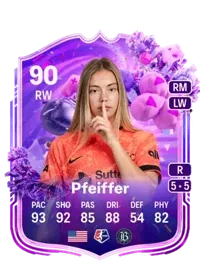

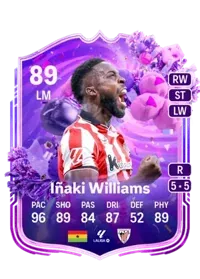
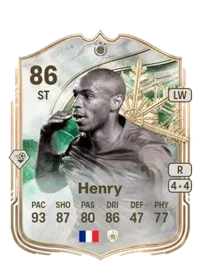
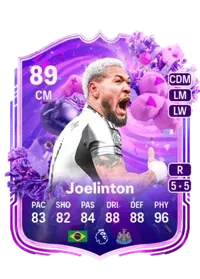










Fantasy FC market crashes can wipe out your club value in a few hours if you are not prepared. This guide explains exactly when to sell, when to hold, and how to protect your coins so you can profit instead of panic.
- What Is a Market Crash in Fantasy FC?
- Why the Market Crashes (Key Triggers)
- When Should You Sell Before a Crash?
- When You Should Hold and Not Panic Sell
- Practical Strategies to Profit From Crashes
- Risk Management: Protecting Your Club Value
- How ItemD2R Helps You Stay Stable During Crashes
- FAQ: Common Questions About Market Crashes
- Quick Checklist & Final Tips
What Is a Market Crash in Fantasy FC?
In Fantasy FC (and similar Ultimate Team modes), a market crash is a sudden, large drop in player prices across the transfer market. It usually happens when:
- A huge promo or new card type is released
- EA drops lightning rounds or very strong upgrade SBCs
- There is a major real-world event, such as Black Friday or Team of the Year
During a crash, cards that were stable at 100,000 coins might fall to 70,000 or even lower. If you are over-invested in expensive cards at the wrong time, your total club value can drop sharply.
Your goal as a trader and player is not just to earn coins, but also to avoid heavy losses when the crash hits. Understanding when to sell is the difference between seeing your coin balance rise or watching it burn.
Why the Market Crashes (Key Triggers)
Market crashes are not random. They follow patterns linked to content drops, the game cycle, and player behavior. Here are the most common triggers:
1. Major Promo Events
Promos like Halloween, Team of the Year, Team of the Season, or new Fantasy-themed events often cause the biggest crashes. Players expect better, more overpowered cards, so they sell their current squads in advance to build up coins.
This mass selling creates a chain reaction of falling prices. If you hold meta cards too close to a big promo, you can lose a lot of value overnight.
2. Lightning Rounds and Pack Supply
When EA releases lightning rounds or highly boosted packs, the market gets flooded with new cards. More supply equals lower prices, especially for special cards and high-rated fodder.
If leaks or official announcements signal incoming pack-heavy promos, expect a temporary but sharp crash in many player prices.
3. SBC Content and Fodder Movements
Powerful player SBCs, Icon SBCs, and upgrade SBCs cause fodder cards (high-rated but not very usable players) to move up and down quickly. When a big SBC is about to expire or a new one is leaked, the market can swing hard.
Sometimes, a crash happens when people panic sell cards they bought as SBC investments but that failed to rise as expected.
4. Game Cycle & Weekend League
The market also follows a weekly rhythm. For example:
- Before Weekend League: meta players rise as people build sweaty teams.
- After Weekend League: many users sell their teams, causing a mini crash.
Later in the game cycle, when hype slowly fades, the entire market tends to trend downward, with bigger and more frequent dips.
When Should You Sell Before a Crash?
Knowing exactly when to sell is the key skill for surviving a market crash. You want to be out of risky positions before the drop, not after.
1. Sell Meta Cards 24–48 Hours Before Big Promos
When EA teases a massive promo, or reliable community sources and calendars point to one, it is usually smart to sell your most expensive meta cards 1–2 days before packs go live.
Signs that it is time to sell include:
- Official trailer or loading screen for a major promo
- Menu messages hinting at special cards or events
- Community-wide hype and people talking about selling their squads
This prevents you from being trapped while everyone else is already listing their cards and undercutting prices.
2. Offload Fodder at Peak SBC Demand
High-rated fodder usually peaks on days with strong SBC releases. If you invested earlier, sell into the hype when:
- A popular Icon or hero SBC drops
- Community SBCs require specific ratings and chemistry
- Upgrade SBC cycles (like 84+ x10 packs) are live
Holding fodder too long after the initial spike increases the risk of being caught in a crash when the content slows down.
3. Sell Your Team If You Do Not Need to Play
If there is a quiet period between Weekend Leagues or Rivals grind sessions, consider liquidating expensive cards and playing a cheaper squad temporarily. This strategy works especially well when a big promo is just days away.
You can always buy back your players later, often at a lower cost after the crash.
4. Warning Signs You Are Holding Too Long
You might have waited too long to sell if:
- Prices are already falling steadily for several hours
- Buyers are drying up and your cards take many relists to sell
- New leaks show even stronger cards in the same positions are coming
In these cases, it is often better to accept a small controlled loss rather than hoping the market magically reverses.
When You Should Hold and Not Panic Sell
Not every price drop is a real market crash. Sometimes the best move is doing nothing.
1. Long-Term Investments With Clear Demand
If you invested in cards with future guaranteed demand (for example, cards needed for recurring SBCs, or rare specials that link to meta players), a short-term dip does not always mean you should sell.
Ask yourself:
- Is there upcoming content that will increase demand for this card?
- Is the supply limited (rare promo, low pack weight)?
If the answer is yes, you may prefer to hold through small drops and wait for the next spike.
2. Your Main Team for Competitive Play
If you actively play Champs or Rivals and rely on your current team to perform, sometimes the gameplay value outweighs the financial loss. Selling your whole squad might hurt your win rate and enjoyment.
In that case, focus on minimizing risk instead of fully exiting the market: avoid overpaying for fresh cards during hype and do not stockpile expensive duplicates.
3. Small Dips Are Normal Market Fluctuations
Day-to-day price movement is normal. A card dropping 5–10% after a busy Weekend League is not necessarily a full crash. Overreacting to every small change leads to unnecessary fees and losses from the 5% tax.
Look at overall trend lines over several days, not just hourly graphs, before deciding to sell.
Practical Strategies to Profit From Crashes
Once you understand how crashes work, you can actually use them to grow your coin balance.
1. Stay Liquid Before High-Risk Events
One of the safest strategies is to convert most of your club into coins before known crash periods. Being liquid allows you to:
- Buy heavily discounted cards during the crash
- Avoid holding assets that are rapidly losing value
- React quickly to SBCs and sniping opportunities
This is especially effective before events like Black Friday, Team of the Year, or major fan-favorite promos.
2. Buy Quality Cards at the Bottom
When the crash hits, panic sellers undercut each other and some cards become temporarily underpriced. If you have a good read on when the crash is slowing down, you can start buying:
- Meta players you want to actually use
- Special cards that historically rebound after promos
- High-rated fodder when it is dumped massively
Stagger your purchases and avoid going all-in at a single moment. The exact bottom is impossible to time perfectly, so scaling in gradually is safer.
3. Sniping and Flipping During Chaos
Crashes create very fast-moving markets. Many players list cards too cheaply just to get quick coins. This is a perfect environment for:
- Sniping underpriced cards with aggressive search filters
- Mass bidding during off-peak hours when fewer people are online
- Quick flips on cards with a clear gap between buy-now and average selling price
Focus on popular leagues and nations so you can sell quickly without being stuck.
4. Diversify Instead of All-In Bets
Never put all your coins into a single player or a single type of card right before a volatile period. Diversification—spreading your investments across different ratings, leagues, and card types—reduces the risk that one bad decision ruins your coin balance.
Risk Management: Protecting Your Club Value
Surviving crashes is not just about timing the market; it is about managing risk every day.
1. Set Clear Rules for Yourself
Create simple rules such as:
- "Never keep more than 40–50% of my coins in one card."
- "Always sell meta cards at least 24 hours before a major promo."
- "Never chase a loss by buying even more of a crashing card."
Sticking to basic discipline will save you from emotional decisions during market chaos.
2. Monitor Market Trends and Official News
Spend a few minutes each day checking:
- In-game news and loading screens
- Official EA announcements and social channels
- Trusted community sites and price trackers (for example, Futbin-style databases)
The more informed you are, the earlier you can react. Being one day early is almost always better than being one hour late.
3. Keep a Healthy Coin Flow
Even if you are a casual trader, aim to maintain a steady inflow of coins through:
- Basic trading and flipping
- Completing reasonable-value SBCs
- Regular gameplay rewards
A strong coin base helps you survive temporary losses and lets you buy during dips instead of being forced to sell at the worst time.
How ItemD2R Helps You Stay Stable During Market Crashes
While smart trading is crucial, you do not need to rely only on risky market plays to grow your club. Platforms like ItemD2R.com give players another option: securing coins outside of in-game volatility so you can enjoy Fantasy FC with less stress.
On ItemD2R, players can safely and quickly obtain ultimate team coins for the latest FC series. Instead of gambling on every promo and panicking during market crashes, you can lock in a stable coin supply and focus on what really matters—building lineups you actually want to play with. Because your coin balance is not fully tied to transfer market swings, a sudden crash hurts less and becomes easier to treat as an opportunity, not a disaster.
ItemD2R emphasizes fast delivery, secure trading methods, and customer support tailored to football game modes, including FC 26. If you do not have time to grind every objective or babysit the market all day, topping up your ea26 coins through a dedicated marketplace lets you skip the endless menu grind. That way, you can still react quickly to promo squads, complete big SBCs, and buy meta players right after a crash, even if your in-game trading did not go perfectly. Used wisely together with normal trading strategies, ItemD2R can act as a stabilizer for your club, giving you both flexibility and security throughout the full Fantasy FC cycle.
FAQ: Common Questions About Market Crashes
1. When does the market usually crash in Fantasy FC?
Major crashes tend to happen:
- At the start of large promos with heavy pack supply
- During events like Black Friday or Team of the Year
- When EA releases surprise lightning rounds or insane SBCs
Smaller dips occur weekly after Weekend League and when hype for specific cards cools off.
2. Should I sell my entire club before every promo?
No. Selling everything all the time is overkill. Focus on offloading high-value meta cards and risky investments before big promos. Low-value fodder and untradeables do not need the same level of micro-management.
3. A card I own is dropping fast. Should I sell or hold?
Ask yourself:
- Is there a new version or strong competitor in the same position?
- Is a major promo or pack event live right now?
- Do I actually use this card in my main team?
If the card has lost its uniqueness or is purely an investment, selling to cut losses can be wise. If it is crucial to your squad and you still enjoy using it, holding may be acceptable, especially if your budget is large.
4. Can you really profit from every crash?
No one gets it right 100% of the time. The goal is not perfection but consistent good decisions. By being early rather than late, staying diversified, and keeping spare coins ready, you tilt the odds heavily in your favor over the season.
Quick Checklist & Final Tips
Use this quick checklist to decide when to sell before a Fantasy FC market crash:
- Is a major promo or pack-heavy event officially announced or heavily leaked?
- Are you holding many expensive meta cards or duplicate investments?
- Do you have more than 40–50% of your total value in just a few players?
- Is Weekend League over and are people starting to sell their squads?
- Are you seeing a gradual price decline for several hours in your key cards?
If you answer "yes" to several of these, it is usually a good time to start selling and going more liquid.
Remember:
- You cannot time every bottom and top perfectly, and that is fine.
- Protecting your coins is as important as making profit.
- Stay informed, avoid emotional reactions, and use external tools and resources to support your strategy.
With the right approach and a bit of discipline, market crashes become opportunities to upgrade your squad—not moments to regret your decisions.
-
FC 26 Path to Glory Team 1: Predicted Players, Release Date & Live Upgrade Guide (June 5, 2026)Jun 03,2026
-
FC 26 Festival of Football: Full Promo Schedule, Path to Glory & What to Expect (June–July 2026)Jun 03,2026
-
EA FC 26: Ultimate Team Token System ExplainedJun 03,2026
-
FC 26 Ultimate TOTS Upgrade SBC — Is It Worth It? Last Chance Before June 3 DeadlineJun 03,2026
-
EA FC 26 Path to Glory — World Cup Upgrade TrackerJun 02,2026
-
EA FC 26 Path to Glory: Start Date, Leaks & Best TipsJun 02,2026
-
How EA FC 27 Can Win Back Frustrated FC 26 PlayersJun 02,2026
-
EA FC 26 Meta Update: Analog Sprint, Top Formations & 500k SquadJun 02,2026













 YouTube
 Facebook
 Twitter
 Tiktok
 Discord
 Linktree






 Join us
