



EA Sports FC 26 Market Crash Guide: When to Buy & Sell Meta Cards



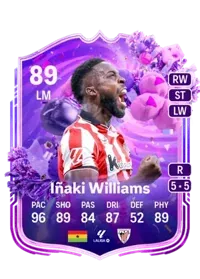
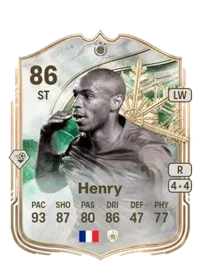











EA Sports FC 26 brings a fresh season of Ultimate Team trading, and with it, brutal market crashes that can destroy your club value—or make you rich if you time them right. This in‑depth guide explains when to buy and when to sell high-rated meta players, how crashes work, and how to prepare your coins and club for maximum profit.
- What Is a Market Crash in EA Sports FC 26?
- When Do FC 26 Market Crashes Usually Happen?
- Best Time to Buy High-Rated Meta Players
- Best Time to Sell and Cash Out
- What Makes a Card Meta and Volatile in Price?
- Safe & Aggressive Trading Strategies During Crashes
- Managing Coins, Liquidity & External Coin Options
- How ItemD2R.com Fits Into Your FC 26 Trading Ecosystem
- Common Mistakes and How to Avoid Panic Selling
- Pre-Crash & Post-Crash Checklist
What Is a Market Crash in EA Sports FC 26?
In EA Sports FC 26 Ultimate Team, a market crash is a short period when the prices of most player cards—especially high-rated meta players—drop sharply in a matter of hours or days. These crashes usually happen when:
- Huge new promos introduce stronger cards
- EA releases irresistible pack offers or lightning rounds
- Key dates (Black Friday, Team of the Year, etc.) flood the market with supply
- Gameplay updates, patches, or meta changes shift what cards are desirable
For unprepared players, crashes feel like the club is losing value for no reason. For smart traders, crashes are the best time to buy meta cards cheap and ride them back up when the market recovers.
When Do FC 26 Market Crashes Usually Happen?
While EA Sports doesn’t publish an official schedule, years of FUT and FC data show clear patterns. You won’t predict every crash perfectly, but you can learn the high-risk windows when you should be extremely careful with expensive players.
1. Early Access, Web App & Launch Window
During Web App and early access, prices are wild. Everyone wants starter meta cards, but supply is low. This causes artificially high prices that often crash hard after full release, when millions of players start opening packs.
Pattern:
- Web App & first few days: Prices climb rapidly
- Full release weekend: Heavy pack supply often triggers the first major dip
If you packed a high-rated card early, selling in the hyped launch window is often better than holding too long.
2. Weekend League & Division Rivals Cycles
The Weekend League (Champions) cycle heavily affects prices. Popular meta cards usually:
- Rise from Thursday to Friday (rewards + team building)
- Stay high on Saturday if still in demand
- Sometimes fall on Sunday–Monday as players sell off teams
Minor crashes can happen on Thursday when people dump cards before rewards, plus during content drops that introduce new alternatives.
3. Major Promo Events (Black Friday, TOTY, TOTS & More)
Big promos are the core of the FC 26 market crash cycle. Historically, these events bring the steepest drops:
- Black Friday & Cyber Monday: Heavy pack offers, lightning rounds, and promo teams
- Team of the Year (TOTY): Massive pack-opening, huge supply of high-rated fodder and meta cards
- Team of the Season (TOTS): Endgame meta cards that devalue older versions
- Other major promos: Fantasy, FUT Birthday-style events, etc.
Before these events, traders often sell off and hold coins, anticipating a crash. The real crash usually hits once packs are opened in large volumes, not just when the event is announced.
4. SBC & Pack Content Announcements
Squad Building Challenges (SBCs) and special packs can cause micro-crashes or surges:
- Meta SBCs (e.g., strong player SBCs) can cause rival cards on the market to drop
- Upgrade SBCs increase demand for certain ratings, sometimes stabilizing or boosting prices
- Overpowered loan or untradeable rewards can also reduce demand for some expensive tradable cards
Always watch the content release time—usually around daily 6 pm UK/UTC-style drops—because that’s when volatility spikes.
Best Time to Buy High-Rated Meta Players
Buying at the right time is more important than sniping a few hundred coins cheaper. You want to buy when supply is high and panic is at its peak.
1. Wait for the Panic to Peak
During crashes, many players panic-sell as soon as they see a 10–20% drop, then watch prices fall further. The true buying opportunity is often when:
- Social media & forums are full of "market is dead" posts
- Cards have already fallen 25–40% from their recent high
- Lightning rounds or special packs are still ongoing
Use resources like FUTBIN or FUTWIZ to study 24–72 hour price graphs. Look for stabilization—when a card stops dropping sharply and starts bouncing within a small range. That’s usually your entry point.
2. Choose Off-Peak Hours
On many platforms, prices can be slightly cheaper during off-peak hours when fewer people are actively buying:
- Early weekday mornings in your server’s prime region
- Late nights after Weekend League rush
Combine off-peak hours with a larger market crash to get the absolute cheapest price on popular meta cards.
3. Focus on Stable, Long-Term Meta Cards
Not all high-rated players are equal. Some are strong for only one promo cycle; others stay meta for months. Look for:
- Cards with top-tier pace, dribbling, and key traits in their position
- Popular real-life stars (they tend to hold demand better)
- Cards that fit multiple formations and chem styles
These players usually recover better after a crash and are safer to buy once the market stabilizes.
Best Time to Sell and Cash Out
Selling high is all about getting out before the next wave of supply hits. If you hold too long into major promos, even the strongest cards will bleed value.
1. Offload Before Major Promo Packs
When EA starts teasing huge promos or super-charged packs, that’s your signal. Historically, safe selling windows are:
- 1–3 days before Black Friday / TOTY / TOTS
- Before expected lightning rounds
- When leaks show stronger alternatives to your players
You won’t always hit the very top, but selling into hype, rather than into panic, is the key. Take the profit, hold coins, and rebuy later if needed.
2. Use Weekend League Demand
Meta players, especially attackers and full-backs, often peak around:
- Thursday evening after rewards are opened
- Friday as players rush to finish squads
If your card is frequently used in YouTuber squads, pro player lineups, or meta guides, demand can be huge in this window. List slightly above the current lowest BIN and let impatient buyers pay the premium.
3. Rotate Out of Aging Cards
As the cycle progresses, old promo cards and early golds lose value gradually. When you notice:
- New versions of your player (e.g., special upgrades) are inbound
- Strong alternatives at the same price bracket
- Declining usage in top squads
It’s better to sell and rotate into more current, in-demand options rather than waiting for a slow bleed to become a steep cliff.
What Makes a Card Meta and Volatile in Price?
Understanding why a card is meta helps you predict both spikes and crashes in its value.
1. In-Game Performance, Not Just Rating
A 90-rated card that feels clunky will often be cheaper than an 86-rated card that dominates the meta. Key factors include:
- Pace, agility, and balance for attackers and full-backs
- Defensive awareness, interceptions for CBs and CDMs
- Weak foot & skill moves for forwards
- Body type and animations
When a card is discovered to be overpowered, its price can skyrocket. When a patch nerfs a mechanic (e.g., finesse shots, through balls), some cards lose meta status overnight.
2. League, Nation & Chemistry Links
Cards from popular leagues and nations (Premier League, La Liga, Top European nations) enjoy higher demand. They are easy to link, which means they stay meta longer and their prices are more volatile during promos.
3. Hype From Pros, Creators & Community
If a card performs well in tournaments or is recommended by top content creators, prices can spike from pure hype. Conversely, negative reviews can cause a sudden sell-off. Monitor platforms like YouTube, Twitch, and Reddit to stay ahead of sentiment swings.
Safe & Aggressive Trading Strategies During Crashes
You can approach FC 26 market crashes with different risk levels depending on your coin balance and appetite for trading.
1. Conservative Approach: Protect and Slowly Grow
For casual players or smaller budgets, focus on:
- Staying liquid before big promos (more coins, fewer high-risk players)
- Buying proven meta cards after they’ve dropped and stabilized
- Flipping low to mid-tier meta cards with high demand and tight price ranges
Here, your main goal is to avoid big losses rather than chase huge wins. You can still grow your club steadily by timing Weekend League buy/sell cycles.
2. Aggressive Approach: Buy the Fear, Sell the Greed
For experienced traders with larger coin stacks:
- Target multiple copies of popular meta cards when panic selling peaks
- Invest in cards that are likely to be needed for SBCs (e.g., certain ratings, leagues, nations)
- Sell aggressively into the first big rebound after the crash
This approach carries higher risk, especially if EA drops unexpected content or patches the meta, so never stake your entire balance on one card or promo.
3. Hybrid Approach: Play and Trade
Most players want to compete and trade at the same time. A balanced plan might include:
- Keeping a core team you rarely sell
- Rotating 2–4 tradable meta players each week for profit
- Holding some coins aside to exploit sudden mini-crashes
This way, you still enjoy the game while also taking advantage of the market’s swings.
Managing Coins, Liquidity & External Coin Options
You can’t exploit market crashes without one thing: liquidity. Having coins ready when others are panicking is the main edge you have.
1. Building Coins Inside the Game
Core methods to build up an in-game balance include:
- Trading meta golds and low-rated specials
- Grinding Rivals, Squad Battles, and Weekend League rewards
- Sniping underpriced cards during busy hours
- Completing profitable SBCs and selling reward players
Before big promos, convert as much of your club as possible into coins unless you’re certain you will use specific players for weeks.
2. External Coin Sources & the Role of Market Timing
Some players choose to supplement their balance with external coin options. If you go this route, timing matters just as much as the source. Bringing in coins right before a market crash can put you in a powerful position to buy into panic selling and build a stacked team for a fraction of the usual price.
When evaluating external options, always consider reliability, delivery speed, and community reputation. Use them only in ways that align with your risk tolerance and understanding of EA’s terms.
How ItemD2R.com Fits Into Your FC 26 Trading Ecosystem
Alongside in-game grinding and smart trading, some FC 26 players look for ways to quickly increase their purchasing power so they can fully exploit market crashes and promos. This is where dedicated gaming marketplaces enter the picture.
ItemD2R.com is a long-running virtual goods platform that focuses on action and sports titles, including the EA Sports FC series. Its role in your trading ecosystem is not to replace game knowledge or market reading skills, but to amplify them. If you’ve developed a good feel for when crashes hit and when rebounds come, having additional funds at the right moment can magnify the impact of your strategy.
Some players choose to obtain cheap fc26 coins when they expect a major crash—such as pre-TOTY or Black Friday—because that is exactly when the same amount of currency buys the most powerful squads. When the market recovers and demand for meta cards surges again, those early-positioned teams often enjoy a big in-game advantage in Division Rivals and Weekend League.
Others prefer to stock up on fut 26 coins during quieter periods, then hold them in reserve as a kind of war chest. This approach ensures they are never forced to panic-sell their best cards to join a new promo rush; instead, they can react calmly, buy the cards they want, and keep their core squad intact. In both cases, ItemD2R.com functions as an additional lever you can pull within a broader, well-thought-out strategy that still depends heavily on your understanding of SBCs, promo calendars, and the evolving gameplay meta.
Regardless of how you use external marketplaces, treat them as one component of an overall plan that also includes consistent in-game grinding, smart SBC choices, and disciplined buy/sell timing. That combination—rather than any single shortcut—is what creates long-term, sustainable success in the EA Sports FC 26 economy.
Common Mistakes and How to Avoid Panic Selling
Market crashes feel emotional, which leads to costly errors. Avoid these frequent traps:
1. Panic Selling at the Bottom
Seeing your card down 30% hurts, but selling when everyone else is dumping often locks in your worst possible price. Before selling, ask:
- Is there a clear reason this card will keep falling (new version, dead league, meta nerf)?
- Has the price started to stabilize over several hours?
- Do I actually need the coins right now?
If the card is still meta and no direct replacement has arrived, a partial recovery is very possible once the promo hype slows.
2. Over-Investing in One Card or One Promo
Putting all your coins into a single player or event makes you vulnerable to unexpected nerfs, SBCs, or pack content changes. Diversify across:
- Different positions and leagues
- Both meta cards and SBC fodder
- Short-term flips and medium-term holds
3. Ignoring EA Tax and Transaction Costs
Every sale in the market is subject to a 5% EA tax. If you constantly flip cards with tiny margins, you might be losing more than you think. Always calculate:
- Buy price
- Expected sell price
- Minus 5% tax
Only then decide if the flip is worth it.
4. Chasing Hype Too Late
By the time you see a card trending on social media, it may already have doubled in price. Buying late in a hype cycle is dangerous, especially if:
- A new promo is close
- The card is packable in large volumes
- The price graph shows a near-vertical climb
Instead of chasing, look for the next potential riser or wait for a pullback.
Pre-Crash & Post-Crash Checklist
Use this simple checklist to stay disciplined and take advantage of EA Sports FC 26 market crashes.
Before a Suspected Market Crash
- Sell risky, non-essential players that have recently risen in price
- Hold a significant portion of your club in coins
- Review upcoming promos, leaks, and historical patterns
- Make a watchlist of target meta players and fodder ratings
During the Crash
- Track price graphs every few hours, not every few minutes
- Watch for stabilization instead of blindly guessing the bottom
- Buy only cards you either want to play with or can comfortably hold
- Avoid panic-selling your core squad unless absolutely necessary
After the Crash
- List some cards during peak Weekend League demand
- Take profits on risky investments rather than getting greedy
- Re-assess which cards are long-term meta vs. short-lived hype
- Update your strategy for the next promo based on what you learned
By understanding how EA Sports FC 26 market crashes work, mastering the timing of when to buy and sell high-rated meta players, and managing your coins with discipline, you can turn volatility into one of your biggest advantages. Whether you rely purely on in-game grinding or also leverage external resources like ItemD2R.com within your risk comfort zone, the key is always the same: stay informed, stay liquid, and never let panic drive your decisions.
-
FC 26 Path to Glory Team 1: Predicted Players, Release Date & Live Upgrade Guide (June 5, 2026)Jun 03,2026
-
FC 26 Festival of Football: Full Promo Schedule, Path to Glory & What to Expect (June–July 2026)Jun 03,2026
-
EA FC 26: Ultimate Team Token System ExplainedJun 03,2026
-
FC 26 Ultimate TOTS Upgrade SBC — Is It Worth It? Last Chance Before June 3 DeadlineJun 03,2026
-
EA FC 26 Path to Glory — World Cup Upgrade TrackerJun 02,2026
-
EA FC 26 Path to Glory: Start Date, Leaks & Best TipsJun 02,2026
-
How EA FC 27 Can Win Back Frustrated FC 26 PlayersJun 02,2026
-
EA FC 26 Meta Update: Analog Sprint, Top Formations & 500k SquadJun 02,2026













 YouTube
 Facebook
 Twitter
 Tiktok
 Discord
 Linktree






 Join us
