



Best 4-3-2-1 Meta Tactics After the February Patch




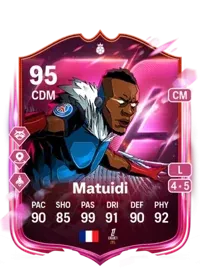















The February patch has shaken up the competitive meta, and the 4-3-2-1 formation has quietly risen as one of the most consistent and flexible setups for both casual and high‑level play. This guide breaks down the best meta tactics, instructions, and squad‑building tips to help you master 4-3-2-1 after the update.
- Why 4-3-2-1 Is Meta After the February Patch
- Core Custom Tactics for 4-3-2-1
- Defensive Shape and Pressing Triggers
- Midfield Roles and Player Instructions
- Front Three: Creating Meta-Level Attacks
- In‑Game Adjustments and Game Plans
- How ItemD2R Supports Competitive FC 26 Players
- Squad Building, Market Tips, and FC 26 Coins
- Practical Tips to Master 4-3-2-1
- Final Thoughts on the Post‑Patch Meta
Why 4-3-2-1 Is Meta After the February Patch
After the February patch, several balance changes affected defensive line behavior, stamina usage, and AI press. Formations that can quickly switch between narrow defending and explosive wide attacks gained a major advantage. The 4‑3‑2‑1 fits this perfectly.
The shape gives you:
- Three central midfielders for stability and passing triangles.
- Narrow front three for quick combinations, through balls, and overloads in the half‑spaces.
- Full‑backs who can provide width without leaving the back line too exposed if instructed correctly.
Compared with wider formations such as 4‑2‑3‑1 or 4‑3‑3, 4‑3‑2‑1 now offers better central overloads and more reliable counterattacks under the current stamina and press rules. It’s a strong choice whether you’re grinding Rivals, Weekend League, or friendlies.
Core Custom Tactics for 4-3-2-1
Below is a tried‑and‑tested post‑patch setup for 4‑3‑2‑1. Treat it as a foundation and adjust slightly to your playstyle.
Defensive Style
Balanced is the most consistent option after the patch. Full “Constant Pressure” drains stamina too quickly with the new tuning, and “Drop Back” often leaves you pinned in your box. Balanced gives you controlled pressure with manual triggers.
Defensive Width and Depth
- Width: 45–50 – Slightly narrow to protect the middle but not so narrow that you’re giving up free wing space.
- Depth: 55–62 – Enough to keep your team compact and dangerous on counters without being destroyed by simple through balls.
If you struggle against direct long balls, push depth down 3–5 points. If you dominate weaker opponents, you can go up to 65 for more aggressive play.
Offensive Style
The meta sweet spot post‑patch is a mix of Balanced and Forward Runs. For most players:
- Balanced – Safer buildup, lets you control the tempo and recycle the ball.
- Forward Runs – If you’re confident at defending counters, this creates very aggressive AI runs from your forwards and CMs.
A popular compromise is to use Balanced as the base plan and create a second game plan with Forward Runs for when you’re chasing a goal.
Offensive Width, Players in Box, Corners, Free Kicks
- Width: 45–50 – Keep it narrow to exploit the patch‑buffed quick passing and 1‑2s in the middle. Your full‑backs provide occasional width.
- Players in Box: 5–7 – 6 is a strong starting point; you get enough runners without leaving yourself exposed.
- Corners: 2–3 – Avoid overcommitting; short corners are strong in this patch.
- Free Kicks: 2 – Prioritize defensive cover while still having targets in the box.
Defensive Shape and Pressing Triggers
The patch changed how AI reacts to pressure and how easily defenders can be dragged out of position. The key to meta defending now is to defend manually with the midfield and use smart pressing triggers instead of relying on constant press.
Effective Pressing Triggers
- Team Press (D‑pad) – Use sparingly, usually in the 70+ minute mark when you’re chasing the game or after you lose the ball near the opponent’s box.
- Second Man Press – Hold it briefly to force the opponent wide or backwards, but release before your shape breaks.
- Manual Jockeying – Nurse the angle rather than diving in; the patch rewards patience more than reckless tackles.
Your 4‑3‑2‑1 will naturally compress the central area. Use your CM and RCM/LCM to cut lanes and funnel the opponent wide, then steal the ball and counter quickly.
Back Four Instructions
Recommended setup for the back line:
- Center‑backs: Stay Back While Attacking; default everything else.
- Full‑backs: Stay Back While Attacking or Balanced (if you trust your defending). Use Overlap if you want extra width on attacks.
In the current meta, most competitive players keep at least one full‑back on Stay Back While Attacking and allow the other to occasionally join to avoid getting overrun on counters.
Midfield Roles and Player Instructions
The midfield trio is the engine of 4‑3‑2‑1. Their roles must be clearly defined: one defensive anchor, one box‑to‑box, and one more offensive/creative player.
1. The Defensive Anchor (Holding CM)
This player acts almost like a CDM even though the formation lists them as CM.
- Instructions: Stay Back While Attacking, Cover Center.
- Ideal Attributes: Defensive Awareness, Strength, Interceptions, Stamina, and decent short passing.
After the patch, AI tracking runs slightly worse if your anchor lacks defensive awareness, so prioritize a solid defender here even if they’re not your flashiest card.
2. The Box‑to‑Box Midfielder
Placed at LCM or RCM, this player goes end‑to‑end.
- Instructions: Balanced Attack, Cover Center, Get Into The Box for Cross (optional if you want extra runs).
- Ideal Attributes: High stamina, good pace, solid passing, and at least decent finishing.
The February patch rewarded players who can recycle the ball quickly under pressure, so a box‑to‑box CM with composure and passing is incredibly valuable.
3. The Creative Attacking CM
Your third midfielder acts like a pseudo‑CAM.
- Instructions: Get Forward, Free Roam or Stick to Position depending on your playstyle.
- Ideal Attributes: Vision, Passing, Dribbling, Agility, and Finesse or Trivela shot traits if available.
This player connects midfield to your front three, creating quick one‑twos and dangerous through balls in the half‑spaces.
Front Three: Creating Meta-Level Attacks
In 4‑3‑2‑1, your front three line up as a ST, RF, and LF. They’re positioned slightly inside, making them deadly for quick combinations and twists inside the box.
Striker (ST) Instructions
- Stay Central – Keeps your striker in the most dangerous area.
- Get In Behind – Strong in the current meta due to how effective direct through balls and driven passes are.
- Mixed or Stay Forward – If your striker is your main outlet, Stay Forward helps preserve stamina and positioning.
Choose a striker with pace, finishing, and at least 4★ weak foot if possible. The patch made clinical finishing more important as chances are harder to create against compact players.
Left Forward (LF) and Right Forward (RF)
These two act like narrow wingers/second strikers, which is a huge reason this formation is meta.
- Instructions: Get In Behind, Cut Inside, Stay Forward (if your stamina allows).
- Ideal Attributes: Pace, dribbling, skills (4–5★), and strong shooting from both central and wide angles.
Meta attacks typically involve quick passes into the RF/LF in the half‑space, a one‑two with the striker, and then a timed shot or extra pass. Timed finishing and shot cancels are still strong in this patch if you have the skill level.
In‑Game Adjustments and Game Plans
The best players don’t stick to a single game plan. Instead, they switch between 2–3 presets depending on the match flow.
Plan A: Balanced 4‑3‑2‑1 (Default)
Use the settings described above as your starting point. This plan works for most opponents and keeps the game under your control.
Plan B: High‑Pressure 4‑3‑2‑1
- Defensive Style: Press After Possession Loss.
- Depth: 65–72 for aggressive positioning.
- Increase Players in Box and set both LCM/RCM to Get Forward.
Use this when you’re down a goal and your opponent is parking the bus. Be aware that this will burn stamina faster, so consider switching to this only in the second half.
Plan C: More Defensive Variant
- Lower Depth to around 45–50.
- Set both full‑backs to Stay Back While Attacking.
- Make your creative CM more conservative (Balanced or Stay Back While Attacking).
Switch to this when defending a lead against a strong opponent who is pressing heavily. Don’t be afraid to slow the game down and use safer passes.
How ItemD2R Supports Competitive FC 26 Players
Mastering 4‑3‑2‑1 tactics is only half of the meta. The other half is having a squad strong enough to execute your game plan at a high level. This is where ItemD2R can make a real difference to your competitive experience.
ItemD2R focuses on helping players build better teams faster so they can spend more time actually playing and improving, rather than endlessly grinding for resources. In a game where the meta shifts every patch and new cards are constantly released, staying competitive often means regularly refreshing your squad with players that fit the latest tactical trends. Whether you need an elite defensive midfielder for your holding CM role, a rapid forward for the Get In Behind runs, or technically gifted creators for your midfield, having fast access to the right in‑game currency dramatically speeds up the process.
Instead of being stuck for weeks with underpowered cards that can’t keep up with high‑pressure opponents, you can upgrade key positions and fully unlock the potential of the 4‑3‑2‑1 system. A solid back line, strong midfield engine, and explosive front three are much easier to assemble when you’re not limited by slow, unpredictable grinding. For tactically minded players who enjoy experimenting with different instructions and custom tactics, this flexibility is especially valuable. With ItemD2R’s services, you can respond quickly to new patches, adapt to the evolving meta, and stay one step ahead in Rivals, Weekend League, and competitive modes.
Squad Building, Market Tips, and FC 26 Coins
Your tactical setup shines only if the players fit the roles. Smart squad building and coin management are crucial.
Prioritize Key Roles First
When improving your team, upgrade these spots in order:
- Defensive CM: A weak anchor breaks your entire shape.
- Striker: You need a clinical finisher to convert 4‑3‑2‑1’s central chances.
- LF/RF: Meta wide forwards with pace and skill make the formation explode in attack.
Once these core roles are strong, start improving your full‑backs and box‑to‑box CM.
Managing Your FC 26 Coins
Efficient coin management lets you adapt quickly to patches and meta shifts. Keep an eye on SBC releases, promo events, and new cards that can change prices overnight. For players who want to accelerate their team building, some choose to sell fc 26 coins or balance their club economy in other ways while maintaining a competitive squad.
If you prefer to directly strengthen your team instead of grinding, you can also use reliable services to obtain coins fc 26 safely and efficiently. Always make sure you’re dealing with reputable sources and follow best practices to protect your account.
Simple Market Tips for Meta Squads
- Buy during heavy pack supply – Prices often dip during big promos or lightning rounds.
- Avoid panic selling after a single bad patch note; wait and see how the meta actually plays.
- Focus on versatility – Players who can play multiple roles (CM/CF/WF) hold value longer across patches.
For more general background on meta tactics and formations, you can cross‑reference community data on sites like Futbin or watch analysis breakdowns from high‑level players on platforms like YouTube.
Practical Tips to Master 4-3-2-1
Tactics alone won’t win games; you need to execute them well. Here are practical tips focused on this formation.
1. Learn the Build‑Up Patterns
- Use short passes between your three CMs to pull defenders out of position.
- Look for quick vertical passes to your LF/RF in the half‑spaces.
- Use 1‑2 passes (give‑and‑go) with your striker to break through tight defenses.
2. Switch Play When the Middle Is Blocked
If opponents overload the middle to counter 4‑3‑2‑1, calmly switch the ball to your full‑backs. A couple of wide passes will stretch the defense, reopening central lanes for your forwards.
3. Defend with Your Midfield
Resist the urge to drag your center‑backs out early. Instead:
- Use your defensive CM to cut passing lanes.
- Jockey and delay rather than diving into tackles.
- Track manual runs with your box‑to‑box CM when opponents trigger player runs.
4. Manage Stamina Throughout the Match
The February patch made stamina management more important in long games. Don’t spam constant pressing or second‑man press. Plan your substitutions around the 60–70th minute, especially for high‑intensity roles like LF/RF and box‑to‑box CM.
Final Thoughts on the Post‑Patch 4-3-2-1 Meta
The 4‑3‑2‑1 formation stands out after the February patch because it balances compact defending with explosive, central‑focused attacking play. With the right custom tactics, smart pressing, and role‑appropriate players, it can carry you through competitive modes at any level.
Pair strong tactical understanding with a well‑built squad, manage your FC 26 coins intelligently, and adapt quickly when patches drop. Whether you’re grinding weekend qualifiers or just trying to improve your overall record, mastering 4‑3‑2‑1 will give you a reliable, meta‑friendly foundation for the rest of the cycle.
-
FC 26 Path to Glory Team 1: Predicted Players, Release Date & Live Upgrade Guide (June 5, 2026)Jun 03,2026
-
FC 26 Festival of Football: Full Promo Schedule, Path to Glory & What to Expect (June–July 2026)Jun 03,2026
-
EA FC 26: Ultimate Team Token System ExplainedJun 03,2026
-
FC 26 Ultimate TOTS Upgrade SBC — Is It Worth It? Last Chance Before June 3 DeadlineJun 03,2026
-
EA FC 26 Path to Glory — World Cup Upgrade TrackerJun 02,2026
-
EA FC 26 Path to Glory: Start Date, Leaks & Best TipsJun 02,2026
-
How EA FC 27 Can Win Back Frustrated FC 26 PlayersJun 02,2026
-
EA FC 26 Meta Update: Analog Sprint, Top Formations & 500k SquadJun 02,2026













 YouTube
 Facebook
 Twitter
 Tiktok
 Discord
 Linktree






 Join us
