



Barcelona 3–2 Real Madrid: Supercup Final Analysis & FUT Squad-Building Lessons

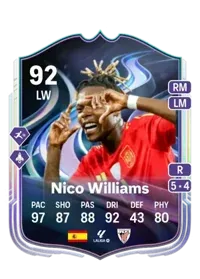


















- Supercup Final Overview: Barcelona 3–2 Real Madrid
- Tactical Patterns: Possession vs Counterattack
- Vinícius Jr. vs Mbappé: Who Really Fits Madrid?
- Why Barcelona's Wingers Worked Better
- Real Madrid’s Real Problem: Roster Construction
- Missed Chances and Match-Deciding Moments
- From Supercup to FUT: Squad-Building Lessons for FC 26
- How ItemD2R Helps You Build Better FC 26 & FUT Squads
- Final Thoughts: What This Clásico Tells Us
Supercup Final Overview: Barcelona 3–2 Real Madrid
The latest Supercup final delivered another dramatic chapter in El Clásico history. Barcelona edged Real Madrid 3–2 in a match that had almost everything: early goals, momentum swings and late drama. For neutral fans it was a thriller; for Madrid supporters, it was a painful confirmation of problems that have been visible for months.
Despite the tight scoreline, the meeting followed a familiar script. Barcelona controlled the ball for long stretches, while Real Madrid leaned on quick counterattacks and the individual brilliance of their forwards. The result was an open, transitional game that naturally highlighted attackers who thrive in space.
Beyond the score, the match opened an important discussion about tactics, squad structure and star roles—topics that matter not only to fans of real football but also to players who spend hours optimizing their squads in FC 26 and FIFA Ultimate Team.
Tactical Patterns: Possession vs Counterattack
Going into the final, many analysts expected Barcelona to dominate possession and Real Madrid to attack in transition. That prediction turned out to be spot on.
Barcelona built patiently from the back, using short passes, positional rotations and high fullbacks to pin Madrid deep. Their midfield trio constantly offered passing lanes, allowing Barça to recycle the ball and look for openings between the lines.
Madrid responded with a lower block and quick breakouts. When they recovered possession, they tried to release Vinícius Jr. and other forwards into space as quickly as possible. This created a clear contrast:
- Barcelona: Structured attacks, width from wingers, heavy possession.
- Real Madrid: Vertical counters, direct runs, reliance on transition moments.
This dynamic also explains why certain players looked better than others. In an open game with lots of grass to attack, pace and direct dribbling are amplified. When the match slows and becomes a chess game against a low block, different qualities become essential: tight control, combination play and the ability to create chances in crowded spaces.
That distinction is crucial when evaluating both Vinícius Jr. and Kylian Mbappé, and when comparing Madrid’s wide attackers to Barcelona’s.
Vinícius Jr. vs Mbappé: Who Really Fits Madrid?
Vinícius Jr. was one of the brightest performers on the pitch. He drifted from the left flank into central areas on the counter, linked with teammates and consistently attacked the space behind Barcelona’s defense. Many viewers came away saying he was “phenomenal,” and it’s easy to see why.
But there’s an important nuance: playing well in an open game is not the same as dominating against a deep defensive block.
Vinícius in Open Games
When opponents push up and leave space, Vinícius is devastating. His acceleration, 1v1 ability and direct running turn counterattacks into instant danger. Against Barcelona, who naturally commit players forward, those strengths were on full display.
However, top clubs don’t face open opponents every week. In the league, especially in La Liga, many smaller teams sit deep, compress space and challenge stars to break them down with patience rather than pace. In these scenarios, Vinícius has often struggled to reach the same level.
The Compact Defense Problem
The criticism is not that Vinícius is a bad player—far from it. The issue is that his profile is more effective in certain types of matches. Against low blocks with little space, his impact tends to drop, while his frustration and decision-making can suffer.
This creates a strategic dilemma for Real Madrid: if most of their domestic games involve breaking down tight defenses, can they afford to make a winger whose main weapon is space their long-term offensive reference point?
Mbappé’s Role in the Equation
Mbappé complicates the picture further. He also prefers the left side but is more comfortable playing centrally and has generally shown greater consistency against compact defenses. His movement between the lines and ability to finish half-chances make him a more complete weapon when space is limited.
Because Mbappé has just arrived and is arguably the better all-around option against deep blocks, the uncomfortable conclusion is that Madrid may not be able to maximize both stars on the pitch at the same time in their favorite role. At some point, either the system or the personnel must change.
From a squad-building perspective, it resembles a common mistake in Ultimate Team: stacking two elite players who want the exact same spot and role, then improvising awkward solutions to fit them both in.
Why Barcelona's Wingers Worked Better
While Madrid struggled to align roles and profiles, Barcelona’s wide players looked like they were built with a clear idea in mind. Their performances in the Supercup final showed how much has gone into constructing a balanced attack.
Lamine Yamal: Elite in Tight Spaces
Lamine Yamal is still a teenager, but his impact in this final went far beyond highlight-reel moments. What makes him special isn’t just goals or assists—it’s his ability to receive under pressure, dribble through traffic and open passing lanes when defenses are set deep.
In football discourse, people often focus on basic stats. But as in basketball, raw numbers don’t always capture a player’s real influence. Yamal’s true value lies in how he forces defenders out of their shape, attracts multiple markers and creates space for teammates to exploit. That’s exactly the kind of skill that breaks down low blocks, something Madrid lacked for long spells.
Raphinha: Work Rate, 1v1 Threat and End Product
On the opposite flank, Raphinha showcased why he’s considered one of the top left wingers in the game when used correctly. He combined relentless work rate with direct dribbling and a constant eye for goal. Even his somewhat fortunate third goal—a shot that took a deflection—was the product of repeated attempts to attack the box and create danger.
Coaches love this type of winger: he presses, tracks back, beats his man and still contributes decisively in the final third. Compared to Madrid’s wide setup, Barcelona’s pair looked more complementary and better adapted to different match states.
Real Madrid’s Real Problem: Roster Construction
A lot of emotional reaction after the final focused on the coach and the perceived passivity of Madrid’s game plan. It’s understandable—watching your team sit deep while Barcelona dictate play is frustrating, especially when Barça are not the prime Guardiola version.
But the deeper issue lies higher up the hierarchy: how the squad has been built.
Too Many Overlapping Profiles
Madrid’s roster is full of big names and highly talented individuals, yet the pieces don’t always fit. There are overlapping roles in attack, makeshift solutions in defense and a general sense that the squad was assembled by grabbing available stars rather than following a clear tactical blueprint.
Recent matches have seen:
- Players like Valverde covering at right back.
- Midfielders shifted into central defense due to depth issues.
- Rodrygo moved around wherever there is space, instead of having a defined role.
This patchwork approach diminishes the strengths of individual players. It’s reminiscent of building a FUT squad by chemistry links and big ratings only, then realizing that the team doesn’t function well on the pitch.
Are Madrid’s Players Really “Best in Slot”?
There’s also a myth that Madrid have the best player in the world at almost every position. If you look closely, that’s not true. Outside of Mbappé, most slots have at least one rival elsewhere in Europe who could reasonably be called superior or better suited to a particular role.
None of this means Madrid are weak—they still have a deep, star-studded squad. But the difference between them and a well-built side like Barcelona is clear: Barça’s team is designed to function as a unit, while Madrid’s sometimes looks like an all-star collection forced into a single lineup.
Missed Chances and Match-Deciding Moments
Despite Barcelona’s control over long stretches, Real Madrid still had opportunities to rescue the game late. A clear one-on-one chance and a free header in the dying minutes could have changed the narrative completely.
Not every player is a Sergio Ramos-style clutch finisher in pressure moments, and misses are part of football. Still, these late chances highlight the fine margins at the top level. A slightly more composed touch, a better header, and Madrid might have been celebrating a comeback instead of lamenting another defeat to their rivals.
However, focusing only on missed chances risks ignoring the broader pattern: Barcelona created a coherent performance aligned with their squad structure, while Madrid often appeared reactive, relying on individual moments rather than a systemic plan.
From Supercup to FUT: Squad-Building Lessons for FC 26
For FC 26 and FUT players, this Supercup final is more than just a spectacle—it’s a case study in how to (and how not to) build a squad. The tactical and structural issues we saw on the pitch have direct parallels with Ultimate Team and other online modes.
Lesson 1: Fit and Roles Matter More than Stars
Real Madrid’s problem wasn’t a lack of talent. It was an imbalance of profiles and roles. The same thing happens in FUT when you cram your team with high-rated cards but ignore chemistry, positions and tactical fit.
- Two left-sided forwards who both need space and freedom can step on each other’s toes.
- A midfielder forced into defense might drag your whole backline down.
- A winger with poor close control will fade against low-block opponents in Rivals or Champs.
Barcelona’s approach in the final—role clarity for their wingers, structured midfield, coordinated pressing—is what you should aim for when building your own lineups: complementary pieces, not just big names.
Lesson 2: Build for Different Match Types
Just as La Liga presents Madrid with many opponents who sit deep, online modes are full of players who park the bus, play 5-at-the-back or overload the midfield. If your attackers only shine when there’s space to run into, you will struggle once you climb into higher divisions.
That means you should mix profiles in attack:
- One player who excels in pace and runs in behind.
- One who can dribble and create in tight areas.
- One who offers reliable finishing from half-chances.
Think of it as combining elements of Vinícius, Yamal and Raphinha in your frontline, instead of having three versions of the same type of forward.
Lesson 3: Use Your Resources Smartly, Not Just Expensively
In FUT, your "board" is your coin balance. Wasting it on flashy but redundant signings leaves you with the same problem Madrid faced: a collection of stars that doesn’t translate into consistent wins. Planning your purchases with a clear tactical idea makes a bigger difference than simply grabbing the highest-rated player on the market.
How ItemD2R Helps You Build Better FC 26 & FUT Squads
A key part of building a coherent FUT or FC 26 squad is having enough in-game currency to actually execute your plans. That’s where specialized trading platforms become extremely useful. Instead of grinding for weeks just to afford a single upgrade, many players use trusted third-party services to accelerate their progress and focus on what they enjoy most: playing matches and optimizing tactics.
On ItemD2R.com, you can safely purchase the currency you need to shape your dream team without compromising on structure or chemistry. If you’re looking for the cheapest fc 26 coins from a reliable source, you can browse different packages that match your budget and competitive goals. This allows you to move from a makeshift lineup to a carefully planned squad that mirrors the balance and cohesion you see from top teams in real football.
Instead of being forced into Madrid-style compromises—like playing attackers out of position or filling crucial roles with the wrong profiles—you can use your expanded budget to target specific upgrades. Need a winger who can dribble in tight spaces like Lamine Yamal, a hard-working wide forward similar to Raphinha, or a clinical striker who thrives against low blocks? With enough coins, you can build a team tailored to your preferred playstyle and formation.
If you’re heavily invested in Ultimate Team modes, there’s also the option to buy fifa ultimate team coins efficiently. By doing so, you spend less time on repetitive trading and more time experimenting with tactics, custom instructions and chemistry styles. It’s the difference between a squad thrown together from whatever you pack, and a lineup assembled with the same level of thought that top clubs put into their transfer strategies. Used wisely, these additional resources can help you avoid the structural mistakes on display in this Supercup final and instead build a team that actually plays like a unit.
Final Thoughts: What This Clásico Tells Us
The Supercup final between Barcelona and Real Madrid was exciting, tense and full of quality. But beyond the 3–2 scoreline, it highlighted key truths about modern football:
- System and structure can outperform raw talent when the pieces fit together.
- Different attacking profiles are needed to break down both open and compact defenses.
- Poor squad-building at board level can limit even the brightest stars.
Barcelona, with their well-defined roles and complementary players, looked like a team built with a clear plan. Real Madrid, with overlapping stars and improvised solutions, looked powerful but unbalanced. For FC 26 and FUT players, the lesson is simple: don’t just chase names. Think like a sporting director, build like a tactician and use your resources intelligently—whether that’s time, coins or both.
If you apply those principles and leverage tools like ItemD2R’s coin services carefully, you’ll give yourself the best chance to avoid Madrid’s mistakes and build a squad that performs when it matters most.
-
FC 26 Path to Glory Team 1: Predicted Players, Release Date & Live Upgrade Guide (June 5, 2026)Jun 03,2026
-
FC 26 Festival of Football: Full Promo Schedule, Path to Glory & What to Expect (June–July 2026)Jun 03,2026
-
EA FC 26: Ultimate Team Token System ExplainedJun 03,2026
-
FC 26 Ultimate TOTS Upgrade SBC — Is It Worth It? Last Chance Before June 3 DeadlineJun 03,2026
-
EA FC 26 Path to Glory — World Cup Upgrade TrackerJun 02,2026
-
EA FC 26 Path to Glory: Start Date, Leaks & Best TipsJun 02,2026
-
How EA FC 27 Can Win Back Frustrated FC 26 PlayersJun 02,2026
-
EA FC 26 Meta Update: Analog Sprint, Top Formations & 500k SquadJun 02,2026













 YouTube
 Facebook
 Twitter
 Tiktok
 Discord
 Linktree






 Join us
